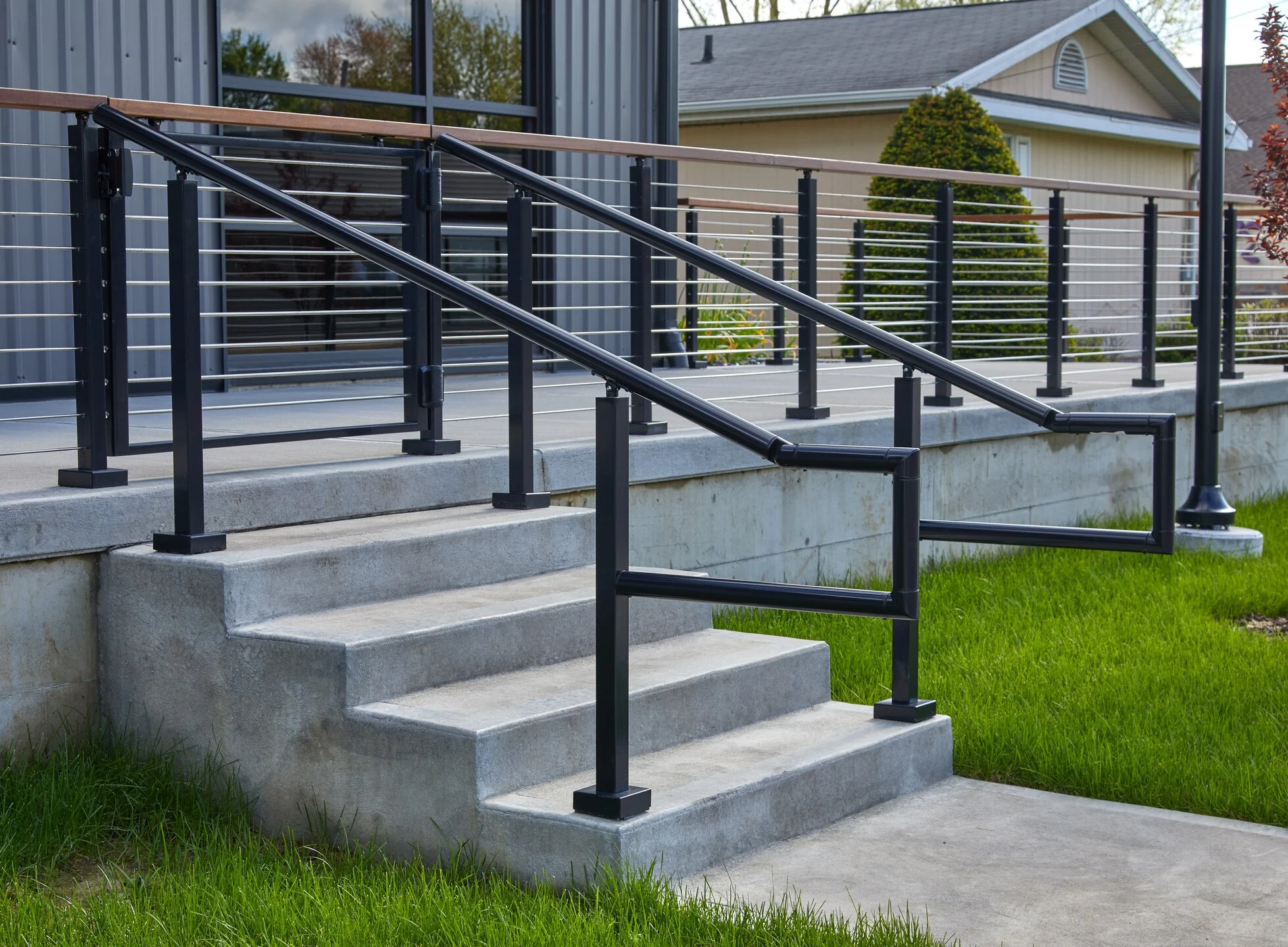
When upgrading your staircase or balcony, choosing the right railing is a decision that impacts both safety and design. Metal handrails offer unmatched durability, sleek aesthetics, and long-lasting performance. Whether for residential or commercial projects, understanding the options, costs, and installation considerations ensures you get a railing that complements your space while protecting those who use it.
At Heavy Lux, located at 14077 Catalina Street, San Leandro, CA 94577, we specialize in crafting custom metal handrails that combine strength, style, and precision engineering. This comprehensive guide explores material choices, cost factors, design tips, and maintenance strategies so you can make an informed decision.
Why Metal Handrails Are a Smart Choice
Metal handrails are increasingly popular for both homes and commercial spaces. Here’s why:
- Durability: Resistant to wear, impact, and environmental factors.
- Versatility: Can suit modern, industrial, or traditional designs.
- Low maintenance: Requires minimal upkeep compared to wood.
- Safety: Strong and reliable, ideal for high-traffic areas.
- Customization: Can be powder-coated, brushed, or polished for unique aesthetics.
Investing in metal handrails ensures your staircase or balcony is secure, stylish, and built to last.
Factors That Affect Metal Handrails Cost
Knowing what drives the price helps you budget efficiently:
1. Material Type
- Stainless Steel: Durable, rust-resistant, ideal for modern or outdoor settings.
- Wrought Iron: Classic, ornate designs; excellent for decorative railings.
- Aluminum: Lightweight, corrosion-resistant, often more affordable than stainless steel.
2. Design and Style
- Simple straight rails: Minimalist and cost-effective.
- Ornate or custom patterns: Require skilled craftsmanship; higher cost.
- Mixed materials: Combining metal with glass or wood increases aesthetic appeal and price.
3. Length and Layout
- Longer staircases or multiple runs increase material and labor costs.
- Curved or spiral staircases demand precise engineering, raising installation expenses.
4. Finishes and Coatings
- Powder coating or specialty finishes protect against corrosion and enhance aesthetics.
- Brushed, matte, or glossy finishes can influence cost.
5. Hardware and Installation
- Mounting brackets, anchors, and fasteners vary in quality and price.
- Professional installation ensures safety and code compliance, affecting overall cost.
Average Cost of Metal Handrails
Here’s a general cost guide to help homeowners plan:
| Material / Style | Average Cost per Linear Foot |
| Aluminum basic handrails | $50–$120 |
| Stainless steel straight rails | $100–$250 |
| Wrought iron decorative rails | $150–$400 |
| Custom or mixed-material rails | $300–$700+ |
Labor and installation typically add 20–40% to the material cost.
Types of Metal Handrails
Choosing the right type impacts both style and function:
Wall-Mounted Metal Handrails
- Cost: $50–$150 per linear foot.
- Pros: Space-saving, easy to install, modern look.
- Cons: Limited to sturdy walls capable of supporting the rail.
Staircase Metal Handrails
- Cost: $100–$300 per linear foot.
- Pros: Secure and functional; integrates with balusters or posts.
- Cons: Requires precise measurements and professional installation.
Wrought Iron Handrails
- Cost: $150–$400 per linear foot.
- Pros: Decorative, classic style; extremely durable.
- Cons: Higher upfront cost and requires occasional maintenance to prevent rust.
Stainless Steel Handrails
- Cost: $100–$250 per linear foot.
- Pros: Modern appearance, corrosion-resistant, low-maintenance.
- Cons: Can be prone to scratches and fingerprints; may require occasional polishing.
Design Considerations for Cost-Effective Metal Handrails
Maximizing your investment doesn’t mean overspending. Consider these strategies:
- Mix Materials Smartly: Combine metal with wood or glass for style and durability at a reasonable cost.
- Prioritize Key Areas: Use premium metal handrails for main staircases, with simpler designs elsewhere.
- Standard Lengths: Reduce fabrication costs by sticking to standard rail lengths.
- Simple Finishes: Powder-coated or brushed finishes are attractive and cost-effective.
- Plan for Expansion: Ensure the base can accommodate future design upgrades if desired.
Installation Tips
Proper installation ensures safety and longevity:
- Accurate Measurements: Measure rise, run, and staircase length precisely.
- Secure Anchoring: Use appropriate fasteners for wall or floor material.
- Continuous Grip: Ensure uninterrupted support along stairs for safety.
- Compliance: Follow local building codes and ADA guidelines.
Professional installation may increase upfront costs but prevents long-term safety issues and ensures your handrails last for decades.
Maintenance Tips for Metal Handrails
Maintaining your handrails prolongs their life and keeps them looking pristine:
- Regular Cleaning: Mild soap and water; avoid harsh chemicals that damage finishes.
- Inspect Hardware: Tighten screws and brackets regularly.
- Address Damage Promptly: Fix scratches, dents, or corrosion before they worsen.
- Protective Coatings: Apply sealants or wax for added protection against outdoor exposure.
Well-maintained metal handrails provide safety, aesthetics, and durability.
Common Misconceptions About Metal Handrails
- “Metal handrails are cold and uninviting.” Modern finishes and mixed materials can create a warm, stylish look.
- “All metals are the same.” Material selection impacts strength, durability, and appearance.
- “DIY installation saves money.” Incorrect installation can compromise safety and result in higher long-term costs.
- “Metal handrails are only for modern designs.” Wrought iron and decorative metals suit classic or traditional spaces, too.
Understanding these misconceptions helps homeowners make informed, cost-effective decisions.
Metal Handrails for Outdoor Spaces
Metal handrails are ideal for outdoor applications due to their durability:
- Stainless steel: Resistant to rust and corrosion; excellent for patios, decks, and balconies.
- Powder-coated aluminum: Lightweight, affordable, and weather-resistant.
- Wrought iron: Classic outdoor look; requires occasional painting or sealing.
Proper installation and finishes ensure your outdoor railings withstand sun, rain, and other elements for years.
Why Choose Heavy Lux
At Heavy Lux, we combine craftsmanship, materials expertise, and design vision to deliver custom metal handrails that elevate your space:
- Tailored solutions to match your staircase or balcony.
- Expert guidance on material, style, and budget.
- Professional fabrication and installation for safety and compliance.
- Access to modern finishes and decorative designs for residential and commercial projects.
Located in San Leandro, CA, Heavy Lux ensures that your metal handrails are both functional and visually striking.
EEAT Principles: Why You Can Trust This Guide
This content adheres to Google’s EEAT standards:
- Experience: Years of professional handrail installation and design projects.
- Expertise: In-depth knowledge of materials, finishes, and cost factors.
- Authoritativeness: Actionable, accurate guidance for homeowners and business owners.
- Trustworthiness: Transparent advice to help readers make informed decisions.
You can rely on this guide to understand metal handrails and choose a solution that fits both your style and budget.
Final Thoughts: Investing in Metal Handrails
Metal handrails combine elegance, durability, and safety. By understanding the materials, designs, costs, and installation requirements, homeowners and business owners can select handrails that provide long-term value.
For custom metal handrails tailored to your space and budget, contact https://heavylux.com/ at 14077 Catalina Street, San Leandro, CA 94577. Our team will guide you through material selection, design, and professional installation to create handrails that are safe, stylish, and built to last.