
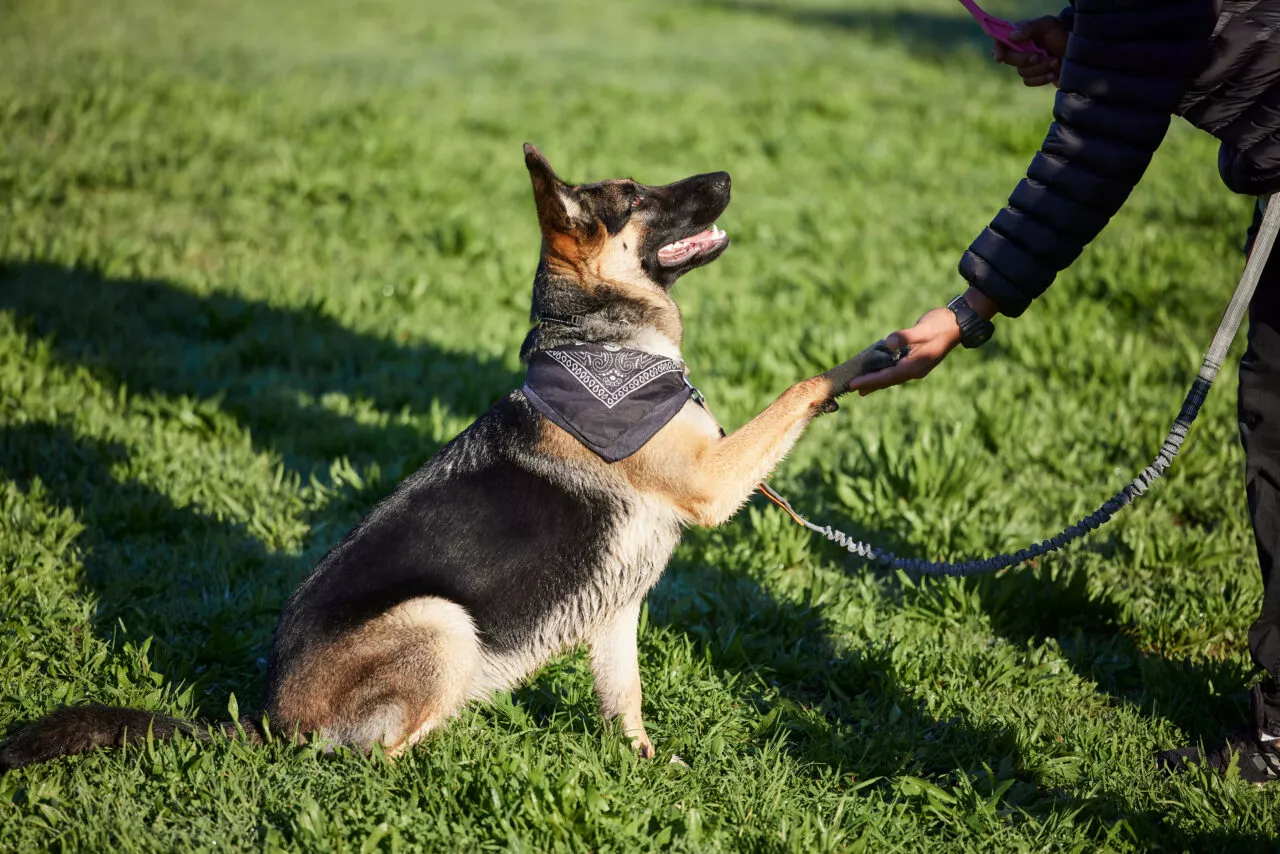
At Rob’s Dog Training in Phoenix, AZ, we understand that advanced dog training goes far beyond basic obedience. It’s about building a deeper connection with your dog, developing sophisticated skills, and ensuring your companion behaves confidently and respectfully in any situation. Whether your dog is newly adopted or you’ve had them for years, advanced training techniques can greatly improve your dog’s behavior and your overall relationship.
In this guest post, we’ll explore what advanced dog training entails, why it’s beneficial, and how you can implement effective training strategies at home. We’ll also share expert tips, common challenges, and how our team at Rob’s Dog Training supports pet owners in Phoenix through every step of this journey.
- What Is Advanced Dog Training?
- Why Invest in Advanced Dog Training?
- Core Elements of Successful Advanced Dog Training
- Advanced Dog Training Techniques You Can Try at Home
- Addressing Common Challenges in Advanced Dog Training
- Integrating Advanced Training Into Daily Life
- Why Choose Rob’s Dog Training for Advanced Dog Training in Phoenix?
- Practical Tips to Maximize Your Advanced Dog Training Experience
- The Journey to a Well-Trained, Happy Dog
What Is Advanced Dog Training?
Most dog owners begin with basic commands such as “sit,” “stay,” “come,” and “heel.” These foundational skills are essential, but advanced dog training builds upon them by adding complexity and real-world application.
Advanced training involves:
- Maintaining obedience amidst distractions like other animals, crowds, or noisy environments.
- Teaching complex behaviors such as off-leash reliability, specialized tricks, or service tasks.
- Addressing behavioral challenges including anxiety, reactivity, or impulse control.
- Reinforcing commands with precision over longer durations and greater distances.
This training level requires consistent practice, patience, and an understanding of canine behavior and motivation.
Why Invest in Advanced Dog Training?
Advanced dog training is an investment in your dog’s safety, happiness, and your peace of mind. Here’s why it matters:
1. Enhanced Communication
Training helps you and your dog understand each other better. Dogs thrive on clear expectations and consistent signals, which advanced training refines.
2. Increased Safety
A well-trained dog is less likely to bolt, chase wildlife, or engage in dangerous behaviors. This is critical during walks, outdoor adventures, or visits to busy public spaces.
3. Boosted Confidence and Mental Stimulation
Advanced skills keep your dog’s mind engaged and challenge them in positive ways. This can reduce destructive behavior caused by boredom or anxiety.
4. Strengthened Bond
Training sessions are quality time. They build trust and mutual respect, reinforcing the emotional connection between you and your dog.
Core Elements of Successful Advanced Dog Training
Achieving success in advanced dog training involves focusing on several key components:
Positive Reinforcement
Reward-based training remains the most effective and humane method. Positive reinforcement motivates your dog to repeat good behaviors by associating them with rewards such as treats, toys, or praise.
- Use high-value treats especially in challenging environments.
- Reward immediately to create a clear connection between action and consequence.
- Combine verbal praise with physical rewards like petting or play.
Distraction Training
Dogs must learn to obey commands even when distracted by sights, sounds, or smells.
- Begin training in low-distraction environments.
- Gradually introduce distractions like other dogs or noises.
- Practice in different locations to generalize the behavior.
Precision and Reliability
Advanced training is about the quality of obedience. Commands like “stay” aren’t just for seconds but for minutes or until released.
- Work on duration, distance, and distraction levels.
- Use clear cues and consistent commands.
- Practice daily to maintain skills.
Advanced Dog Training Techniques You Can Try at Home
Here are practical techniques to start implementing advanced training with your dog:
Target Training
Teach your dog to touch a specific object on cue, such as your hand, a target stick, or a spot on the floor. This technique helps shape complex behaviors and can be the foundation for tricks or service tasks.
- Start by holding the target near your dog and reward touches.
- Slowly increase distance and movement of the target.
- Use target training to guide your dog into new positions or locations.
Clicker Training
A clicker marks the exact moment your dog performs the desired behavior, making learning faster and clearer.
- Pair the clicker sound with a treat at first.
- Click immediately when your dog does the right thing.
- Use clicker training for precision tasks or to teach new commands quickly.
Impulse Control Exercises
Impulse control helps dogs resist immediate urges, which is critical for advanced obedience.
- Teach “leave it” to prevent grabbing unwanted items.
- Practice “wait” at doorways or before meals.
- Incorporate games like “stay and release” to build patience and self-control.
Addressing Common Challenges in Advanced Dog Training
Even with the best methods, training can come with hurdles. Here’s how to overcome frequent issues:
Inconsistent Responses
Dogs may respond inconsistently if commands or cues vary.
- Use the same words and gestures for commands.
- Ensure all family members are on the same page.
- Practice regularly to reinforce consistency.
Overexcitement and Distractibility
Excited or anxious dogs might struggle to focus during training.
- Start sessions when your dog is calm.
- Keep training short and frequent to prevent burnout.
- Reward calm behavior immediately to reinforce it.
Behavioral Regression
Occasionally, dogs may revert to old habits due to stress or distractions.
- Return to foundational commands if regression occurs.
- Identify and minimize triggers causing setbacks.
- Stay patient; progress is rarely linear.
Integrating Advanced Training Into Daily Life
To maintain progress and make training part of your lifestyle:
- Use training commands during walks, playtime, and feeding.
- Challenge your dog with new tasks regularly.
- Reward good manners in everyday situations.
- Encourage family members to participate in training.
Why Choose Rob’s Dog Training for Advanced Dog Training in Phoenix?
At Rob’s Dog Training, we combine expertise with compassion to provide personalized training that meets your dog’s needs.
- Our trainers have years of experience in advanced obedience and behavioral modification.
- We focus on positive, reward-based techniques that build lasting trust.
- We create customized plans to fit your dog’s personality and your lifestyle.
- Ongoing support and guidance ensure you maintain training results at home.
Visit us at 4204 E Indian School Rd, Phoenix, AZ 85018 or explore our programs online at https://robsdogs.com/.
Practical Tips to Maximize Your Advanced Dog Training Experience
- Set Clear Goals: Know what behaviors or skills you want your dog to master. This keeps training focused.
- Be Consistent: Regular training sessions, even short ones, help maintain and build skills.
- Stay Patient: Every dog learns at their own pace; patience is key.
- Use Quality Rewards: Find what motivates your dog most, whether treats, toys, or praise.
- Create a Calm Environment: Start training in quiet spaces and gradually add distractions.
- Include Family: Everyone in the household should use the same commands and training approach.
- Keep Sessions Positive and Fun: End each session on a good note to keep your dog eager for more.
The Journey to a Well-Trained, Happy Dog
Advanced dog training is a rewarding journey that deepens your connection and enriches your dog’s life. By focusing on positive reinforcement, precision, and consistency, you equip your dog to handle any situation calmly and confidently.
If you’re ready to take the next step with your dog, the expert team at Rob’s Dog Training is here to help. Contact us today to learn more about our advanced training programs and start building a stronger bond with your companion.