Understanding the Basics of Plate Rolling
What is Plate Rolling?
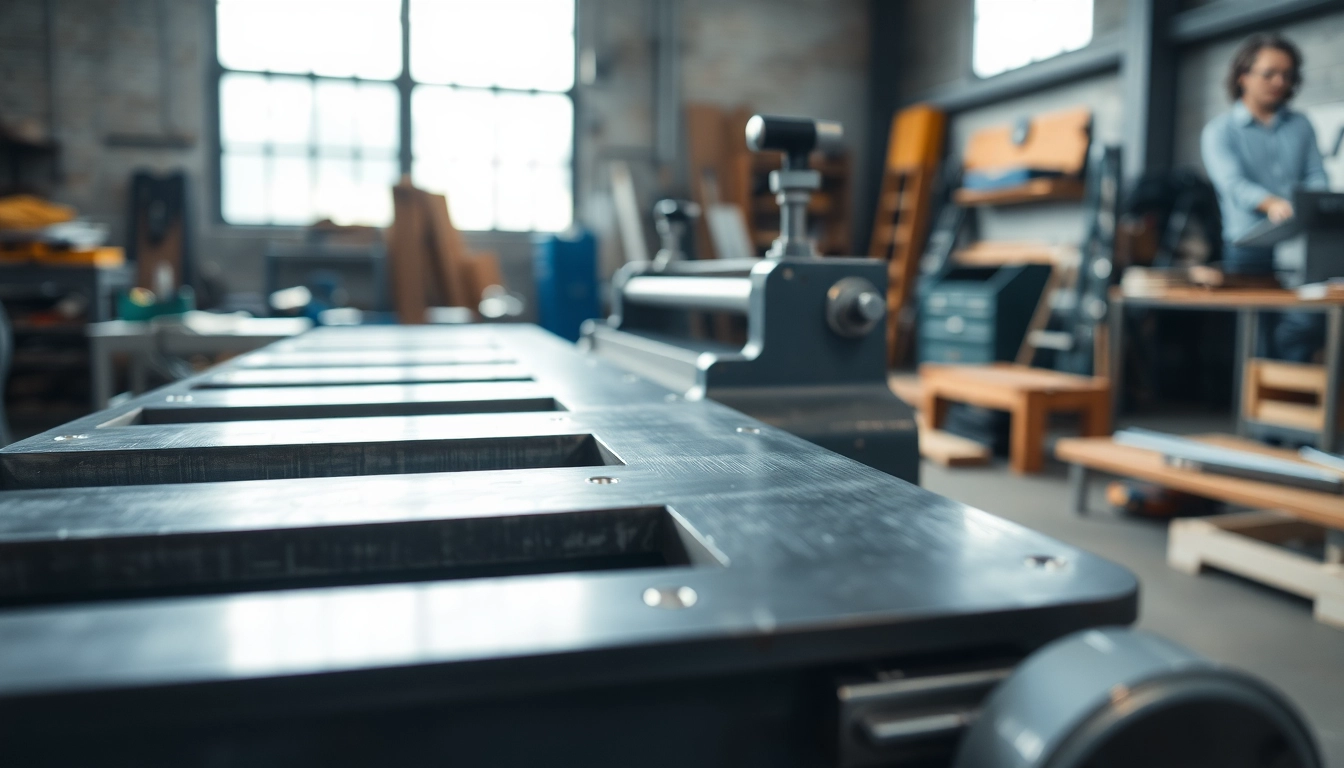
Plate rolling is a manufacturing process that involves the deformation of metal plates into curved shapes. This technique is crucial in various industries for creating components like cylinders, tanks, and other structures. The process relies on various machines that use pressure applied through rollers to bend plates into desired shapes effectively. The scope of plate rolling extends beyond simple bending; it encompasses preparation, rolling, and finishing procedures to ensure high-quality outcomes.
Key Components of a Plate Rolling Machine
A plate rolling machine generally consists of several key components:
- Rolls: The main components used to shape the plates, which can be driven or non-driven depending on the setup.
- Frame: Provides structural support to the machine, ensuring stability during operation.
- Hydraulic System: Facilitates precise control over the bending process by raising or lowering the rolls.
- Control Panel: Allows operators to manage parameters such as roll speed, pressure, and positioning.
Each component plays a critical role in achieving the desired shape and ensuring safety during operations.
Applications of Plate Rolling in Industries
Plate rolling finds extensive applications across a myriad of industries, including:
- Manufacturing: Used for creating parts used in machinery and vehicles.
- Construction: Essential for fabricating structural components like beams and columns.
- Shipbuilding: Integral in forming hulls and other curved structures.
- Oil and Gas: Utilized in fabricating tanks and pressure vessels for storage and transportation.
Each of these applications underscores the importance of precise plate rolling techniques in meeting industry standards and demands.
Techniques and Methods in Plate Rolling
Traditional vs. Modern Plate Rolling Techniques
Plate rolling techniques can broadly be categorized into traditional and modern methods. Traditional techniques often involve manual inputs and mechanical machines characterized by simple operations. Conversely, modern techniques leverage computerized numerical control (CNC) systems and are defined by automation and enhanced precision. This shift not only improves efficiency but also allows for more complex shapes and designs to be achieved with minimal error.
Selecting the Right Plate Rolling Method
Choosing the right plate rolling method is contingent on several factors including material type, thickness, and desired final shape. Material properties such as yield strength and ductility dictate appropriate rolling techniques. For instance, high-strength materials may require specific adjustments to rolling parameters to prevent failure during shaping. It's also crucial to consider the expected production volume; automated methods may be more suited for high-volume orders.
Common Challenges in Plate Rolling
While plate rolling is a fundamental process, it comes with several challenges, such as:
- Material Distortion: Improper calibration can lead to uneven bending, resulting in defects.
- Roll Wear: Over time, the rolls can wear down, impacting the quality of the end product.
- Safety Hazards: The high pressure and weights involved can pose risks if safety measures are not observed.
Addressing these challenges often involves regular training for operators, routine maintenance of machinery, and adherence to safety regulations.
Best Practices for Effective Plate Rolling
Material Preparation for Plate Rolling
Proper material preparation is essential for effective plate rolling. This includes ensuring that plates are clean and free from defects such as rust, dirt, or oil. Any impurities can affect the rolling process and the final quality of the product. Additionally, preheating thicker materials may be required to increase malleability and ease of manipulation during the rolling process.
Maintaining Your Plate Rolling Equipment
To prolong the lifespan of a plate rolling machine, consistent maintenance is paramount. Regular inspections should be conducted to identify wear and tear, lubrication of moving parts is crucial, and any necessary adjustments must be made to maintain accuracy. Ensuring that the machine operates within specified limits enhances performance and minimizes downtime.
Quality Control Procedures
Implementing stringent quality control measures is fundamental in plate rolling operations. This includes the use of specialized measuring instruments to verify dimensions and tolerances. Regularly scheduled audits of the production process and finished products help in identifying any deviations from standards early. This translates to ensuring customer satisfaction and compliance with industry regulations.
Innovations in Plate Rolling Technologies
Automation and Digital Integration
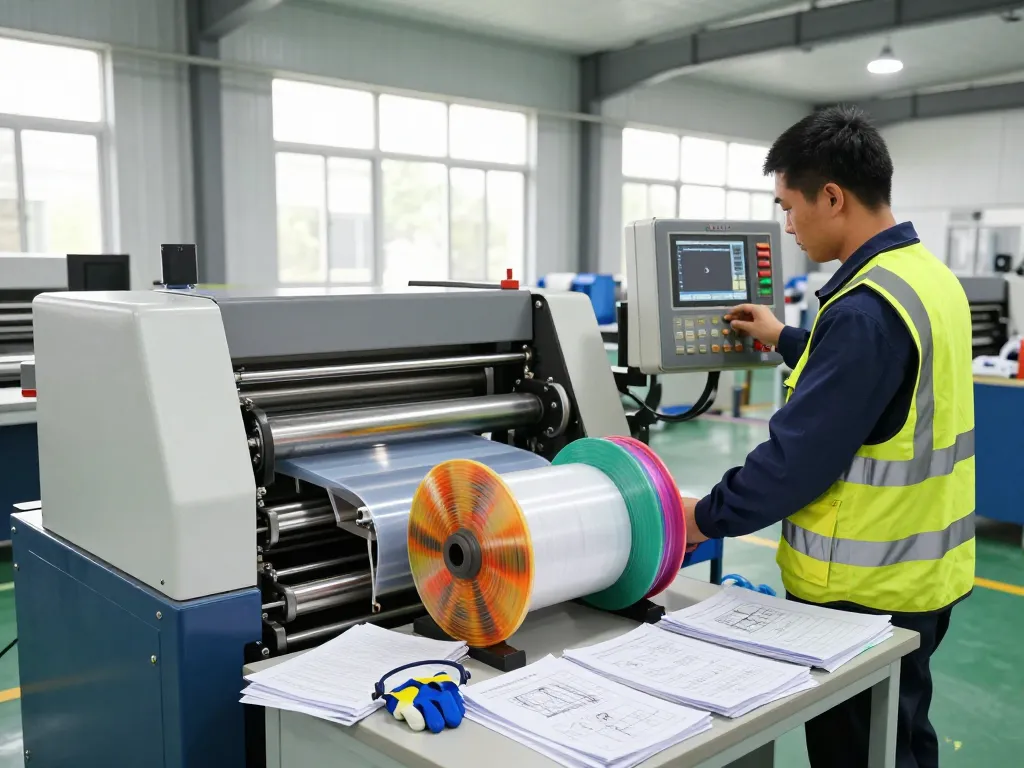
The integration of automation in plate rolling has revolutionized the industry. Advanced technologies such as IoT and machine learning are being adopted to monitor processes in real-time. Automation not only minimizes human error but also streamlines workflow and enhances productivity. Digital tools enable operators to adjust parameters swiftly, optimizing the rolling process for different materials.
Performance Metrics in Plate Rolling
To measure effectiveness in plate rolling, several performance metrics can be employed, including:
- Production Rate: The speed at which products are rolled.
- Waste Percentage: The amount of material wasted during the process, which should be minimized.
- Product Tolerance: The accuracy of dimensions in relation to specifications.
Regular analysis of these metrics enables businesses to identify areas for improvement and optimize their manufacturing processes.
Future Trends in Plate Rolling
The future of plate rolling is set to be shaped by advances in technology. Expect to see increased reliance on smart manufacturing solutions that offer insights through data analytics and predictive maintenance. Sustainability will also play a pivotal role, with a shift towards using environmentally friendly materials and processes. These trends will ultimately aim to enhance productivity while reducing the carbon footprint of manufacturing activities.
Frequently Asked Questions About Plate Rolling
What materials can be used in plate rolling?
Most metals like steel, aluminum, and copper are suitable for plate rolling depending on the thickness.
How do I choose the right plate rolling machine?
Consider factors like material thickness, roll diameter, and intended applications before choosing.
What is the typical thickness range for plate rolling?
Plate rolling can manage thicknesses from a few millimeters up to several centimeters, depending on the machine.
How can I maintain the longevity of my plate rolling machine?
Regular cleaning, lubrication, and timely inspections will significantly enhance the machine's lifespan.
What safety measures should be in place for plate rolling operations?
Always wear appropriate safety gear and conduct risk assessments to mitigate potential hazards in the workplace.