Introduction to Roll Off Bins
In an era where waste management has never been more critical, the use of specialized containers has revolutionized how we handle unwanted materials. One of the most efficient solutions available is the use of roll off bins. These versatile containers are designed for convenience and functionality, making them ideal for various applications. In this article, we will explore the features and advantages of roll off bins, how to select the right size, their applications across different sectors, best practices, and the regulations governing their use.
What Are Roll Off Bins?
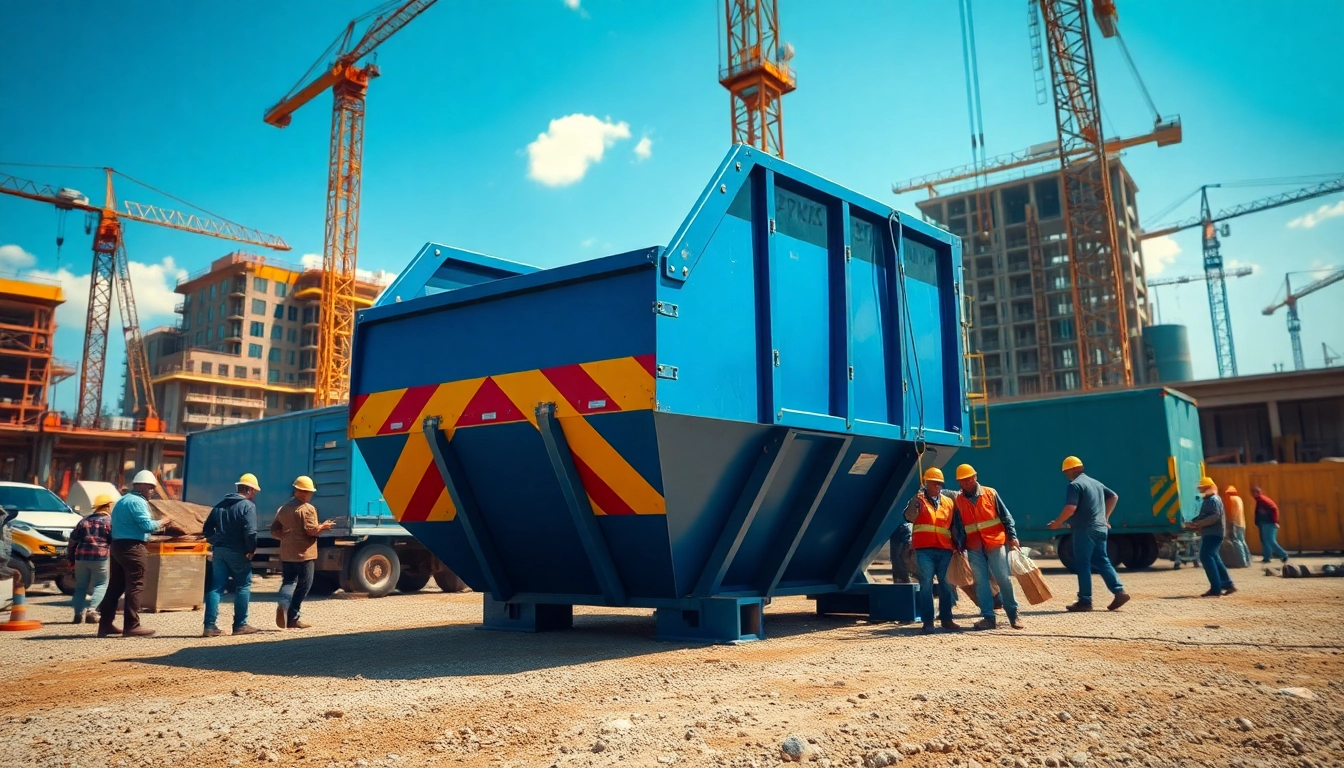
Roll off bins are large, open-top containers typically used for waste disposal. They are designed to be rolled off a truck and placed on the ground, making them easy to load. These bins come in various sizes, ranging from small residential containers to large commercial models intended for major construction projects. The design allows for easy transportation and efficient waste management, making them popular choices for contractors, businesses, and homeowners alike.
Benefits of Using Roll Off Bins
The primary benefits of using roll off bins include:
- Convenience: Roll off bins simplify waste management by enabling users to load waste materials at their own pace.
- Size Variety: Available in multiple sizes, so users can select one that fits their specific needs.
- Cost-effective: Efficient waste disposal can lead to significant savings, particularly for larger projects.
- Durability: Constructed from heavy-duty materials to withstand various types of debris, roll off bins are built to last.
- Environmentally Friendly: Properly used, roll off bins help in organizing waste for recycling and disposal, minimizing environmental impact.
Choosing the Right Roll Off Bin Size
Selecting the correct size of a roll off bin is crucial for project efficiency. Here are some common sizes and what they are typically used for:
- 10-yard: Ideal for small renovations, garage cleanouts, or landscaping projects.
- 20-yard: Suitable for medium-sized projects, such as kitchen remodels or large cleanouts.
- 30-yard: Commonly used for large home renovations or small commercial projects.
- 40-yard: Best for large construction sites or commercial renovations, capable of handling significant amounts of debris.
Assessing the volume and type of waste generated from your project can help determine the appropriate bin size. Consulting with a waste management professional ensures that your choice aligns with your needs.
Applications of Roll Off Bins
Roll off bins serve various purposes across different sectors. Their adaptability and efficiency cater to a range of projects.
Residential Use of Roll Off Bins
Homeowners frequently utilize roll off bins during major clean-up projects, garage sales, or home renovations. They offer a practical solution for disposing of large amounts of waste, including furniture, appliances, and construction debris. By opting for a roll off bin, homeowners can organize waste effectively, ensuring a smoother renovation process.
Commercial Use of Roll Off Bins
For businesses embarking on remodels, office relocations, or seasonal clean-outs, roll off bins provide an efficient waste disposal method. They enable companies to minimize disruption while ensuring adherence to local waste management regulations. Many businesses find that using roll off bins enhances their operational efficiency and reduces overall disposal costs.
Construction Sites and Roll Off Bins
Construction sites are among the primary users of roll off bins. These bins help in managing a variety of waste types, including concrete, wood, and metal. The bins’ durable design and large capacity make them suitable for handling heavy debris, while their easy accessibility allows workers to remain productive. Additionally, effective waste segregation within these bins promotes recycling and responsible disposal practices.
Best Practices for Roll Off Bin Rental
Renting a roll off bin doesn’t have to be a complicated process, but adhering to best practices will ensure a smooth experience from start to finish. Here are some essential tips.
How to Schedule Your Roll Off Bin
Scheduling a roll off bin rental involves a few simple steps:
- Determine Your Needs: Assess the size of the project and the expected volume of waste.
- Select a Rental Company: Choose a reputable waste management company that specializes in roll off bins.
- Schedule Delivery: Contact the company to arrange bin delivery, ensuring delivery aligns with your project timeline.
Tips for Loading Your Roll Off Bin
Loading a roll off bin efficiently can maximize its capacity. Consider these tips:
- Disassemble large items to create more space.
- Load heavier items first to ensure stability.
- Fill the bin evenly to avoid overloading one side, which could lead to tipping.
Avoiding Common Pitfalls
Awareness of common pitfalls can prevent issues down the road:
- Avoid overloading the bin; each container has a weight limit outlined by the rental company.
- Refrain from placing prohibited items, like hazardous materials, which can incur fines.
- Return the bin on time to avoid additional fees.
Roll Off Bin Regulations and Compliance
Properly navigating regulations associated with roll off bins is crucial for both safety and legality. Compliance ensures a smooth operation and promotes environmentally sound practices.
Understanding Local Regulations
Each locality may have specific regulations governing the placement and use of roll off bins. It is essential to familiarize yourself with these regulations to avoid fines and ensure safe disposal methods. Common considerations include zoning laws and weight limits for waste disposal.
Permits for Roll Off Bins
In certain locations, placing a roll off bin on public property may require a permit. Before scheduling delivery, check with local authorities regarding necessary permits, which often involve submitting an application and paying a fee.
Environmental Considerations
Environmental responsibility should be a priority when using roll off bins. Ensure that recyclables are properly sorted and that hazardous materials are disposed of in accordance with local regulations. Using roll off bins responsibly reduces environmental impact and contributes to sustainable waste management practices.
FAQs About Roll Off Bins
What size roll off bin do I need for my project?
The size of the roll off bin you need depends on the type and volume of waste. Generally, smaller projects can use a 10 to 20-yard bin, while bigger renovations may require 30 to 40-yard bins.
How long can I keep a roll off bin?
Rental durations vary by company, typically ranging from a few days to several weeks. Discuss this with your rental provider at scheduling to ensure it meets your project's timeline.
Can I use a roll off bin for hazardous materials?
No, roll off bins cannot be used for hazardous materials like chemicals, batteries, or asbestos. Always check with your rental company to understand what can and cannot be disposed of in the bin.
What items are prohibited in roll off bins?
Prohibited items often include hazardous waste, liquids, tires, and electronic devices. Verify with your waste management provider for a comprehensive list specific to your locality.
How do I schedule a rental for roll off bins?
To schedule a rental, identify your waste management needs, contact a roll off bin provider, and arrange for a delivery date that aligns with your project timeline.