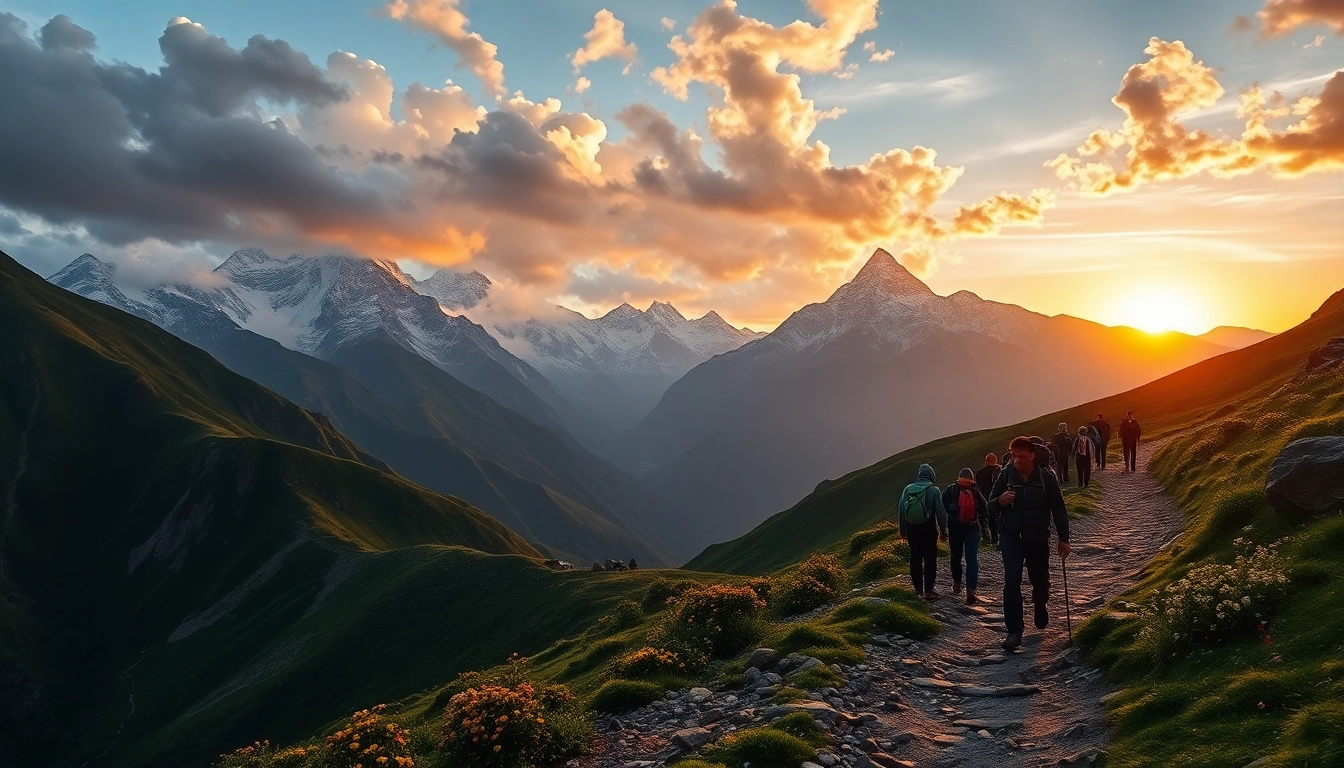
Introduction to Manaslu Circuit Trekking
The Manaslu Circuit Trek is a remarkable journey that invites adventure seekers to explore one of Nepal's most breathtaking landscapes. Nestled in the Mansiri Himal, this trek circumnavigates Mount Manaslu, the eighth highest peak in the world, offering a blend of majestic mountain views, rich cultural experiences, and the thrill of challenging terrain. Over the course of 15 days, trekkers will traverse diverse ecosystems, from lush subtropical forests to alpine meadows, all while gaining insight into the unique traditions and lifestyles of the local communities. This comprehensive guide highlights everything you need to know about embarking on the manaslu circuit trekking, from planning your itinerary to cultural interactions and safety precautions.
What is the Manaslu Circuit Trek?
The Manaslu Circuit Trek is an advanced trekking route that offers a complete experience of the Himalayas, focusing on the stunning views surrounding Mount Manaslu. The trek typically spans approximately 177 kilometers and showcases the magnificent diversity of the region, including terraced fields, quaint villages, and ancient monasteries. This trek is particularly notable for its limited foot traffic, allowing trekkers to fully immerse themselves in the serene and authentic atmosphere of the Nepalese countryside.
Historical Significance and Natural Beauty
Dating back to the early 1990s, the Manaslu Circuit has evolved from a restricted area trek to a more accessible experience for those looking to delve into the heart of the Himalayas. The historical significance of this trek is enriched by its roots in Tibetan culture, as it lies along the Nepal-Tibet border. Nature enthusiasts will marvel at the ecological variety of the region, which is home to numerous flora and fauna, stunning landscapes, and breathtaking vistas, including the iconic Larkya La Pass, where trekkers can witness panoramas that include peaks like Himlung Himal and Ngadi Chuli.
Why Choose Manaslu Circuit Trekking Over Other Treks?
One of the key advantages of the Manaslu Circuit Trek is its relative seclusion, particularly when compared to more popular routes like the Annapurna Circuit. Trekkers can enjoy the peace and tranquility of less crowded trails while experiencing the same breathtaking mountain scenery. The unique cultural interactions with local communities, including the Gurung and Tibetan peoples, further enhance the trekking experience, making it an excellent choice for adventure travelers seeking authenticity.
Planning Your Manaslu Circuit Trek
Proper planning is crucial for the success of your trekking experience. Understanding the best time to trek, essential gear, and the necessary permits will help ensure a safe and enjoyable journey. This section will outline everything you need to know in preparation for your adventure.
Best Time to Trek: An Overview of Seasons
The best times for the Manaslu Circuit Trek are during the spring (March to May) and autumn (September to November). In spring, the weather is generally mild, with blooming flowers and clear skies, making it a picturesque period for trekking. Autumn also offers stable weather conditions and stunning views, making it another peak season for trekkers. Winter (December to February) can be extremely cold, and the trails may be covered in snow, while the monsoon season (June to August) brings heavy rainfall, which can lead to slippery trails and increased chances of landslides.
Essential Gear and Packing List for Manaslu Circuit Trekking
Packing the right gear is vital for a successful trek. Essential items include:
- Clothing: Layered clothing suitable for varying temperatures, including thermal underwear, a fleece jacket, and a waterproof and windproof jacket.
- Trekking Gear: High-quality trekking boots, trekking poles, and a comfortable daypack.
- Sleeping Gear: A sleeping bag rated for cold weather, as temperatures can drop significantly at night.
- Personal Items: Sunscreen, a first aid kit, water purification tablets, and snacks.
Consider visiting local shops in Thamel, Kathmandu, if you need to purchase or rent additional gear.
Permits Required for the Trek and How to Obtain Them
To trek the Manaslu Circuit, you will need several permits, including the Manaslu Conservation Area Permit (MCAP), the Trekkers Information Management System (TIMS) permit, and a restricted area permit (RAP). These permits require processing through a registered agency, and it is advisable to secure them before your arrival in Nepal. Ensure that your trekking agency assists you with the necessary documentation to avoid any delays that could affect your trek.
Manaslu Circuit Trek Itinerary
The trek is structured into a day-by-day itinerary that balances hiking, acclimatization, and cultural exploration. Below is a detailed breakdown of the trek, highlighting key stops and activities along the route.
Day-by-Day Breakdown of the Trek
- Day 1: Arrival in Kathmandu and transfer to hotel. Briefing about the trek.
- Day 2: Drive to Machha Khola (8-10 hours). Overnight at a guesthouse.
- Day 3: Trek to Jagat (6-7 hours). Overnight at a guesthouse.
- Day 4: Trek to Deng (6-7 hours). Overnight at a guesthouse.
- Day 5: Trek to Namrung (7-8 hours). Overnight at a guesthouse.
- Day 6: Trek to Lho (3-4 hours). Overnight at a guesthouse.
- Day 7: Trek to Samagaon (3-4 hours). Overnight at a guesthouse.
- Day 8: Acclimatization day at Samagaon. Hike to Birendra Lake and Manaslu Base Camp (7-8 hours). Overnight at a guesthouse.
- Day 9: Trek to Samdo (3-4 hours). Overnight at a guesthouse.
- Day 10: Trek to Dharmashala (4-5 hours). Overnight at a guesthouse.
- Day 11: Trek to Bimthang via Larkya La Pass (8-9 hours). Overnight at a guesthouse.
- Day 12: Trek to Goa (5-6 hours). Overnight at a guesthouse.
- Day 13: Trek to Dharapani (3-4 hours). Overnight at a guesthouse.
- Day 14: Drive back to Kathmandu (10-12 hours). Overnight at a hotel.
- Day 15: Departure from Kathmandu.
Key Highlights Along the Manaslu Circuit Route
Throughout the trek, several key highlights stand out, including:
- The stunning views from Larkya La Pass, where trekkers can admire a panoramic vista of some of the highest peaks in the region.
- Visits to traditional Tibetan villages, where trekkers can experience local customs and hospitality.
- Scenic moments beside the Budi Gandaki River and countless waterfalls that grace the trail.
- Opportunities to explore ancient monasteries and learn about the spiritual heritage of the area.
Tips for Acclimatization and Daily Hiking Goals
Acclimatization is essential for a safe trekking experience. It is advisable to take it slow, especially as you approach higher altitudes. Ensure that you:
- Drink plenty of water to stay hydrated.
- Plan for acclimatization days that allow your body to adjust to the altitude.
- Monitor your health daily and communicate with your guide if you experience symptoms of altitude sickness.
Experiencing Local Culture and Cuisine
A significant aspect of the Manaslu Circuit Trek is the opportunity to interact with local communities and experience their rich cultural heritage. From traditional hospitality to unique culinary offerings, trekkers will find that cultural connections enhance their trekking journey.
Interacting with Local Communities: A Cultural Insight
The Manaslu region is home to various ethnic groups, including the Gurung and Tibetan peoples, who have rich traditions and unique lifestyles. During the trek, engage with locals in villages, learn about their daily practices, and understand their connections with the majestic mountains surrounding them. This cultural immersion adds depth to the trekking experience and fosters a greater appreciation of the region's history.
Traditional Nepali Dishes to Try During Your Trek
Food is a vital part of the trekking experience. Expect to find hearty and nourishing meals, mainly vegetarian, that reflect the local flavors of Nepal. Some traditional dishes include:
- Daal Bhat: A staple dish consisting of rice and lentil soup, often served with vegetables.
- Momos: Delicious dumplings filled with vegetables or meat, a popular snack on the trek.
- Thukpa: A warming noodle soup that is perfect for chilly evenings.
Responsible Tourism: Supporting Local Economies
By choosing to trek in the Manaslu region, you are contributing to local economies through tourism. It’s essential to be a responsible traveler by minimizing your environmental impact and supporting local businesses. Stay in teahouses operated by locals, consume local cuisine, and purchase handicrafts to help sustain the livelihoods of the communities you visit.
Safety and Health Considerations
Safety and health are paramount when trekking in high-altitude environments. Being informed about potential risks and how to mitigate them ensures a smoother experience.
Understanding Acute Mountain Sickness (AMS)
Acute Mountain Sickness is a serious concern as trekkers ascend to higher elevations. Symptoms include headache, nausea, dizziness, and fatigue. To prevent AMS, it is crucial to:
- Rise in altitude gradually and take frequent breaks.
- Stay hydrated and maintain a balanced diet.
- Listen to your body and descend if symptoms persist.
First Aid and Health Tips for Trekkers
Carrying a well-stocked first aid kit is prudent. Include essentials such as pain relievers, antiseptic wipes, band-aids, and altitude sickness medication. It is also advisable to carry personal medications and ensure you are briefed on how to use any unfamiliar treatments.
Emergency Procedures and Communication on the Trail
In the event of an emergency, having a reliable communication system is vital. Our trekking guides are equipped with local SIM cards and satellite phones to ensure ongoing contact with the base office in case of unforeseen events, ensuring trekkers receive timely assistance.