Understanding Bridge Cranes: A Comprehensive Overview
Bridge cranes, often referred to as overhead cranes, are essential lifting solutions found in various industrial environments. They are designed to span an entire factory floor, allowing efficient movement of materials from one end to another. With their intricate systems and robust construction, these cranes can handle heavy loads, streamline workflows, and enhance productivity. As industries evolve, understanding the capabilities and specifications of a bridge crane becomes essential for optimizing operations.
What is a Bridge Crane?
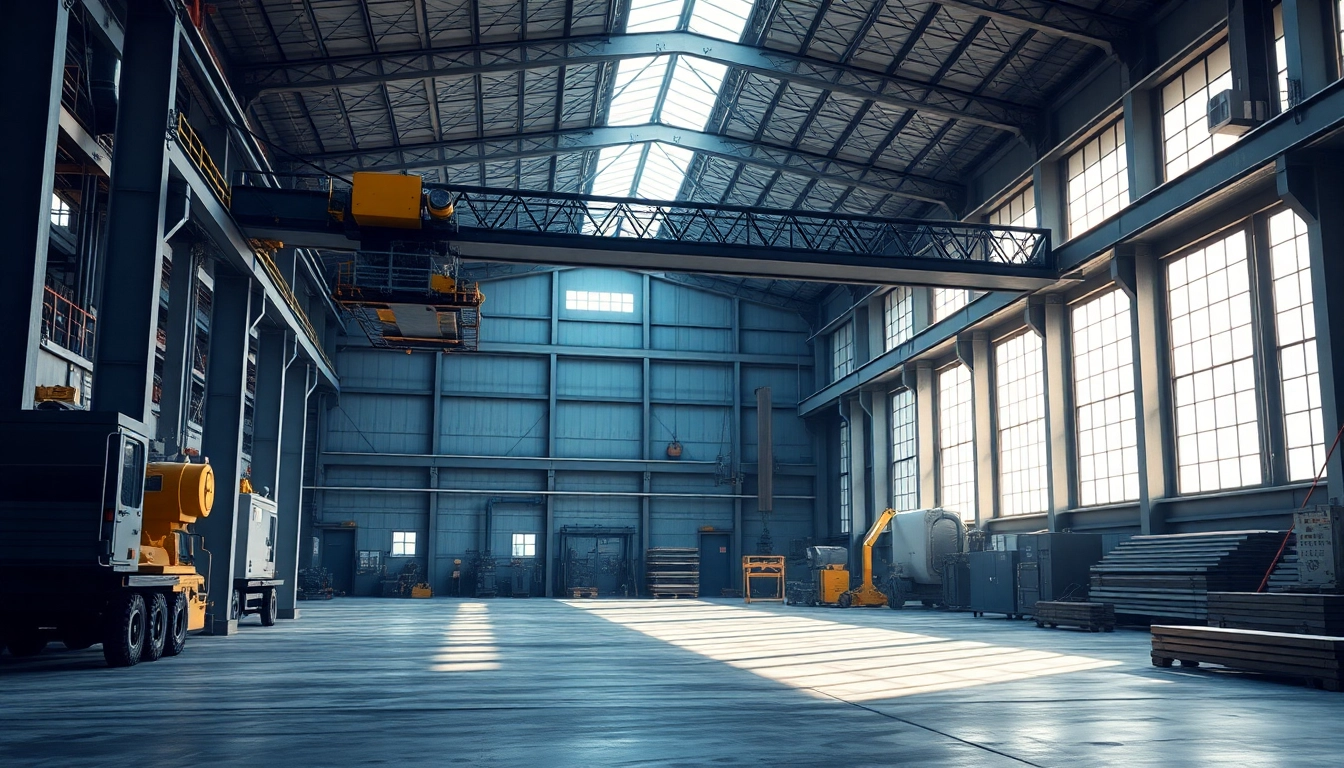
A bridge crane is a type of overhead crane consisting of a bridge beam that traverses two parallel runways. The crane's hoist mechanism is mounted on the beam, allowing it to move loads horizontally across the workspace. Bridge cranes are distinguished by their ability to cover large areas without obstructing floor space, making them invaluable in manufacturing, warehousing, and construction.
Key Components of Bridge Cranes
Understanding the key components of a bridge crane is crucial. The main parts include:
- Bridge Beam: The horizontal beam that supports the hoisting mechanism and travels along the runways.
- Runway: The tracks that support the bridge beam, typically installed on the walls or ceiling of an industrial space.
- Hoist: The mechanism that lifts and lowers loads, available in various configurations including electric and manual options.
- Controls: Systems that govern the operation of the crane, which can range from simple pendant controls to sophisticated remote systems.
Common Applications in Industries
Bridge cranes are utilized across various sectors, including:
- Manufacturing: For assembly line processes and material handling.
- Warehousing: To optimize storage and retrieval of heavy items.
- Construction: For lifting heavy beams and materials on site.
- Shipping: To facilitate efficient loading and unloading of cargo.
Types of Bridge Cranes and Their Features
Single vs. Double Girder Cranes
Bridge cranes come in various configurations, with the most common being single and double girder designs. Single girder cranes typically have a lower profile and are suitable for lighter loads, while double girder cranes offer increased strength and flexibility for heavier loads and larger spans.
Electrification and Control Options
Modern bridge cranes can be equipped with advanced electrification systems. Options for controls vary, including:
- Pendant Control: Standard setup for operator control.
- Remote Control: Enhances safety by allowing operators to control the crane from a distance.
- Automated Systems: Use of sensors and AI to facilitate autonomous operations.
Specialized Cranes for Unique Applications
Industries often require specialized bridge cranes to meet specific needs. These can include:
- Explosion-Proof Cranes: Designed for hazardous environments, such as chemical plants.
- High-Speed Cranes: For operations where speed is critical, such as in automotive assembly.
- Jib Cranes: Sometimes integrated with bridge cranes for additional versatility.
Benefits of Using Bridge Cranes in Your Operations
Enhanced Efficiency and Productivity
Implementing bridge cranes in operations leads to increased efficiency. They allow for:
- Seamless movement of materials across large distances.
- Reduction of manual handling, which minimizes the risk of workplace injuries.
- Improved workflow due to the systematic arrangement of overhead space.
Safety Features and Compliance Standards
Safety is paramount in crane operations. Bridge cranes are equipped with various safety features, including:
- Limit Switches: Prevent over-travel of the hoist and crane.
- Emergency Stops: Provide immediate halting of operations when needed.
- Load Sensors: Ensure lifting capacity limits are not exceeded, promoting safety compliance.
Cost Implications and ROI
Investing in bridge cranes can yield significant returns over time. Companies often experience:
- Decreased labor costs due to reduced manual handling requirements.
- Increased production rates as materials are moved and handled more efficiently.
- Longer equipment lifespan through consistent maintenance and operational efficiency.
Choosing the Right Bridge Crane for Your Needs
Evaluating Load Capacities and Span Requirements
When selecting a bridge crane, it’s important to assess both the load capacity and span requirements. Factors to consider include:
- The weight of the heaviest items to be lifted.
- The distance across which loads need to be moved.
- Future growth potential and any expansion plans that may require additional capacity.
Installation Considerations for Optimal Performance
Proper installation is key to a crane’s effectiveness. Important installation considerations are:
- Structural integrity of the support beams and walls.
- Alignment of the runways for smooth movement.
- Access for maintenance and operation of the controls.
Maintenance Practices to Extend Lifespan
Regular maintenance is crucial for ensuring a bridge crane's performance longevity. Recommended practices include:
- Routine inspections for wear and tear.
- Lubrication of moving parts and checking electrical systems.
- Adhering to manufacturer guidelines for repairs and upgrades.
Future Trends and Innovations in Bridge Crane Technology
Advancements in Automation and AI Integration
The future of bridge crane technology is leaning towards automation. With AI integration, cranes can monitor operation and adjust functions in real-time, enhancing safety and efficiency.
Sustainability Initiatives in Crane Design
As industries focus on sustainability, manufacturers are increasingly designing energy-efficient cranes. These designs utilize:
- Lightweight materials that reduce the overall energy consumption.
- Regenerative braking systems to harness energy during operation.
- Smart technologies to monitor and minimize energy usage.
Predictions for the Overhead Crane Market by 2025
Industry experts predict that the market for bridge cranes will continue to expand through 2025. Factors driving this growth include:
- The increase in automation across manufacturing sectors.
- Rising demand for energy-efficient lifting solutions.
- Continuous improvements in safety standards and regulatory compliance.