Understanding Hydraulic Systems
Hydraulic systems are vital components in many industrial and mobile applications, providing the force needed to power machinery, vehicles, and manufacturing equipment. Essentially, they use hydraulic fluid to transmit power throughpressurization, allowing for efficient force multiplication and precise control.
Components of Hydraulic Systems
A typical hydraulic system consists of various key components including:
- Hydraulic Fluid: This fluid is responsible for energy transmission within the system.
- Reservoir: A container that holds the hydraulic fluid and provides a buffer to accommodate system pressure fluctuations.
- Pumps: Devices that generate hydraulic pressure by converting mechanical energy into fluid flow.
- Actuators: Tools such as hydraulic cylinders and motors that convert hydraulic pressure back into mechanical work.
- Valves: These control the flow of hydraulic fluid and can regulate pressure within the system.
- Filters: Essential for removing contaminants from the hydraulic fluid to protect system components.
How Hydraulic Systems Work
The operation of hydraulic systems is based on Pascal's principle, which states that a change in pressure applied to an enclosed fluid is transmitted throughout the fluid without loss. When the hydraulic pump creates pressure, the fluid travels through the system, reaching the actuators that perform the mechanical work. This method of power transmission is highly efficient, allowing for significant force generation in applications where mechanical systems would require size and weight disproportionate to the energy generated.
Common Applications of Hydraulic Systems
Hydraulic systems are ubiquitous in various sectors, some common applications include:
- Construction Equipment: Excavators, bulldozers, and cranes utilize hydraulic systems for operation and control.
- Manufacturing Plants: Hydraulic presses and metal forming machines rely on hydraulic power for precise operations.
- Aerospace: Hydraulics are used for controlling flight operations and landing gear in aircraft.
- Automotive Industry: Hydraulic brakes and power steering systems are essential for vehicle control.
Essential Hydraulic System Maintenance Practices
Consistent hydraulic system maintenance is crucial for ensuring operational efficiency and preventing unexpected failures. Here are the key practices to follow:
Routine Checks to Ensure System Integrity
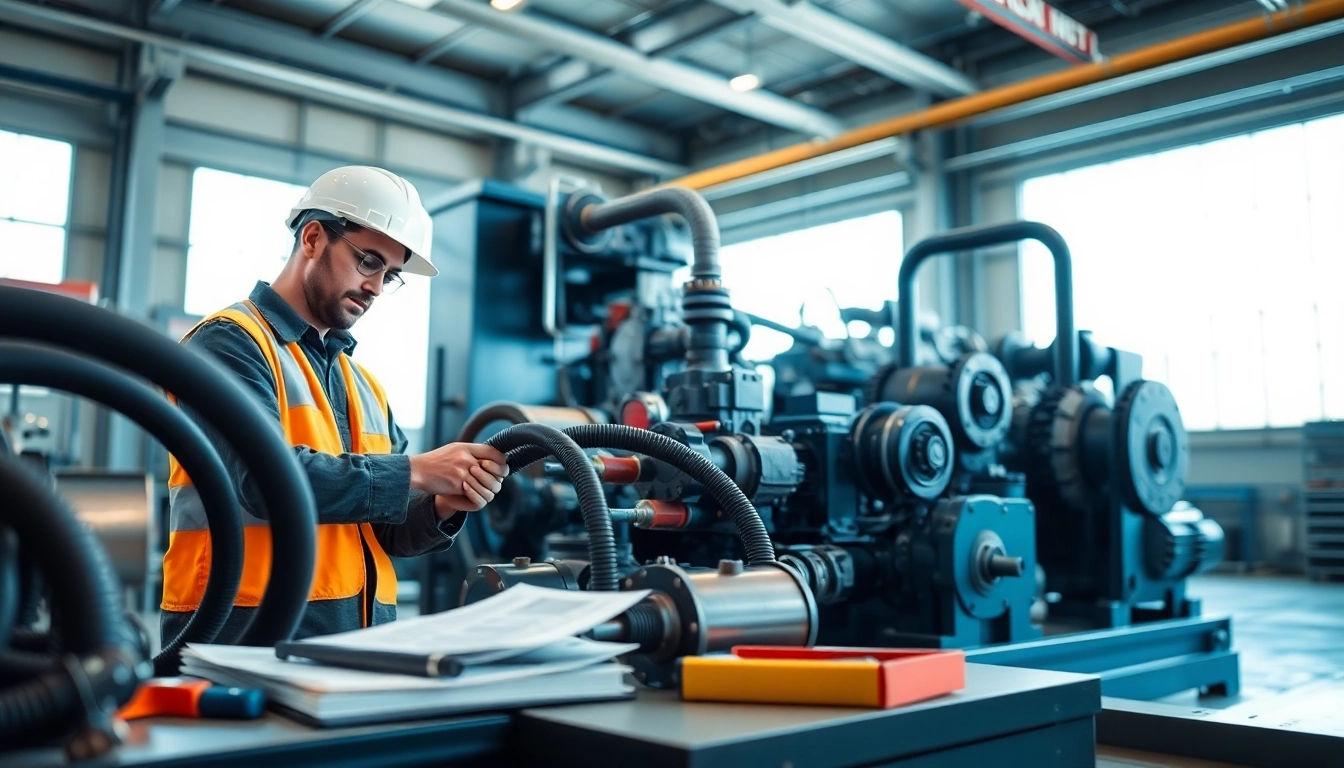
Regular inspections are fundamental to maintaining the health of hydraulic systems. Technicians should establish a routine schedule that includes checking for leaks, ensuring that connections are secure, and verifying the integrity of hoses and seals. A thorough examination can reveal early signs of wear or damage, preventing costly repairs later on.
Fluid Quality and Maintenance
The quality of hydraulic fluid directly impacts system performance. Technicians should monitor fluid levels, check for contamination, and replace fluid as necessary. Conducting regular fluid analysis can help determine the condition of the fluid and the presence of wear particles that might indicate issues in system components. Keeping the hydraulic fluid clean and free of moisture is essential for optimal operation.
Importance of Component Inspection
Every component in a hydraulic system serves a specific purpose. Regular inspections of pumps, actuators, and valves for wear and tear can significantly extend the lifespan of the entire system. Technicians should also ensure that filters are replaced regularly to maintain fluid cleanliness and check that valves are functioning within their specified ranges.
Identifying Common Hydraulic System Issues
Being able to identify potential problems before they escalate is key to effective hydraulic system maintenance. This section outlines several common issues and their indicators.
Leak Detection and Remedies
Leaks are one of the most prevalent issues in hydraulic systems. They can lead to significant fluid loss and decreased system efficiency. Regularly checking hoses and seal connections for oil residue or dampness can help detect leaks early. If a leak is found, immediate repairs or component replacements should be undertaken to restore system integrity.
Understanding Pressure Issues
Hydraulic systems operate under a specific pressure range. Deviations can indicate issues such as clogged filters, pump failures, or leaks. Maintaining pressure gauges and monitoring their readings provides insight into system performance and alerts technicians to potential problems.
Signs of Fluid Contamination
Contaminated hydraulic fluid can lead to catastrophic failures. Signs of contamination include discoloration, unusual smells, or the presence of particulates in the fluid. Regular fluid sampling and testing are critical in identifying problems associated with fluid quality, helping to avert significant system damage.
Advanced Techniques for Hydraulic System Maintenance
Moving beyond basic maintenance practices, advanced techniques encompass predictive maintenance strategies and technology integration to enhance system reliability.
Implementing Predictive Maintenance Strategies
Predictive maintenance leverages data analytics and monitoring tools to assess the condition of hydraulic systems in real-time. By analyzing data, technicians can predict potential failures based on system performance trends. This proactive approach allows for better allocation of maintenance resources and minimizes unexpected downtimes.
Using Technology for Enhanced Monitoring
Technology has revolutionized hydraulic system maintenance. Implementing IoT devices enables continuous monitoring of system parameters, facilitating early detection of anomalies. Data from these devices can inform technicians about system conditions, allowing for timely intervention and maintenance actions before failures occur.
Upgrading Components for Better Efficiency
As hydraulic technology advances, upgrading system components can significantly enhance efficiency and reliability. Newer pumps, valves, and actuators are often designed to operate within tighter tolerances and consume less power. Evaluating component upgrades not only improves performance but can also lead to operational cost savings over time.
Measuring the Success of Maintenance Efforts
Establishing metrics to evaluate maintenance performance is essential for continuous improvement. This section covers how to measure the impact of maintenance practices on hydraulic system longevity and efficiency.
Key Performance Indicators for Maintenance
KPIs provide valuable insights into maintenance effectiveness. Common indicators include downtime rates, maintenance costs per operating hour, and mean time to repair (MTTR). By tracking these metrics, organizations can identify trends and adjust maintenance strategies accordingly.
Feedback Loops in Maintenance Workflow
Creating feedback loops facilitates communication between maintenance teams and operations. Gathering input from operators about system performance can highlight areas for improvement, while maintenance outcomes can inform operational practices. This communication strengthens the relationship between maintenance and production, enhancing overall performance.
Continuous Improvement Strategies
Adopting a culture of continuous improvement is critical for maintaining hydraulic systems. Regularly reviewing maintenance practices, incorporating new technologies, and training staff on best practices can lead to more efficient operations. Commitments to ongoing training and technology adoption ensure that maintenance strategies evolve alongside advancements in hydraulic systems.
FAQs
What is hydraulic system maintenance?
Hydraulic system maintenance involves regularly checking, servicing, and repairing hydraulic components to ensure optimal functionality and longevity.
How often should hydraulic systems be serviced?
Hydraulic systems should typically be checked and maintained every 3-6 months, depending on usage and environmental conditions.
What are common signs of hydraulic system failure?
Common signs include unusual noises, leaks, reduced performance, and fluctuating pressure, indicating potential issues needing immediate attention.
Can I perform hydraulic system maintenance myself?
Basic maintenance tasks can often be performed by knowledgeable personnel, but complex repairs should be handled by certified technicians.
What tools are essential for hydraulic system maintenance?
Essential tools include wrenches, fluid analysis kits, pressure gauges, and safety equipment to ensure proper maintenance and safety.