Understanding Railroad Maintenance
Definition and Importance of Railroad Maintenance
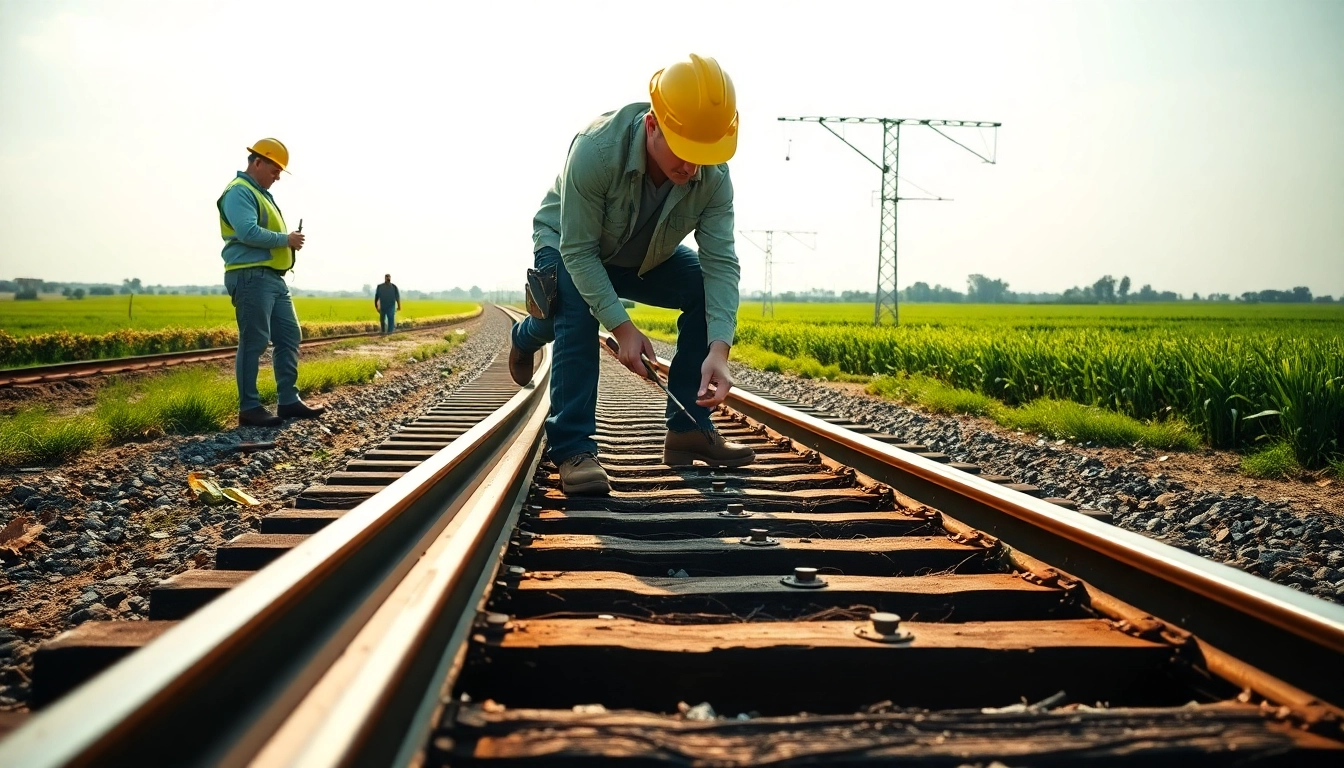
Railroad maintenance encompasses a variety of systematic activities designed to ensure the safety, efficiency, and longevity of railway systems. It involves the upkeep of the infrastructure, including tracks, bridges, and signaling systems, which are critical to train operations. Effective railroad maintenance is essential not only for safety but also for operational efficiency. With increasing freight volumes and commuter traffic, maintaining high standards of railroad functionality is paramount. Regular maintenance minimizes the risk of accidents, reduces service disruptions, and enhances overall performance, making it a fundamental part of the rail industry's operational strategy. Proper management of Railroad Maintenance can lead to significant improvements in the cost-effectiveness of railroad operations.
Types of Railroad Maintenance Activities
Railroad maintenance activities can be broken down into three primary categories: corrective maintenance, preventative maintenance, and predictive maintenance.
- Corrective Maintenance: Refers to the repairs made after a failure has occurred. This often results in downtime and can lead to operational inefficiencies.
- Preventative Maintenance: Involves regular, scheduled maintenance tasks aimed at preventing unexpected failures. This can include inspections, lubrication, and replacements of worn parts before they fail.
- Predictive Maintenance: Uses data analytics and monitoring technologies to predict when maintenance should occur, allowing for timely interventions that can extend the life of infrastructure and reduce costs.
Regulatory Standards in Railroad Maintenance
Railroad maintenance is governed by stringent regulatory standards established by national agencies to ensure the safety and reliability of rail transport. In many regions, these regulations mandate regular inspections of tracks and rolling stock, adherence to specific safety protocols, and documentation of maintenance activities. Compliance with these standards is not just a legal requirement; it also promotes best practices that enhance operational safety and efficiency.
Common Challenges in Railroad Maintenance
Environmental Factors Affecting Railroad Maintenance
Various environmental factors can impact railroad maintenance, including weather conditions, soil composition, and nearby vegetation. Extreme temperatures can cause tracks to expand or contract, leading to potential misalignment and structural stress. Additionally, continuous exposure to moisture can create conditions for rust and decay. Effective maintenance strategies must account for these factors, incorporating materials and methodologies that ensure resilience against environmental challenges.
Technological Limitations
Despite advancements in technology, many rail operators still face limitations related to the age and compatibility of existing equipment. Legacy systems may not integrate well with newer technologies, complicating maintenance activities. Furthermore, the high cost of upgrading or replacing outdated infrastructure can hinder the implementation of more effective maintenance strategies.
Safety Concerns during Maintenance
Safety is a critical concern during railroad maintenance. Workers are often exposed to hazardous conditions, including moving trains and heavy machinery. Implementing strict safety protocols and using personal protective equipment (PPE) can help mitigate risks. Training programs play a vital role in preparing maintenance crews to handle equipment safely and respond effectively to emergencies.
Best Practices for Effective Railroad Maintenance
Regular Inspections and Monitoring
One of the most effective practices in railroad maintenance is conducting regular inspections. This includes visual examinations, ultrasonic testing of tracks, and monitoring of train dynamics. By establishing a thorough inspection schedule, operators can identify issues before they escalate into more significant problems, thus ensuring safety and operational efficiency.
Using Quality Materials for Repairs
Utilizing high-quality materials for repairs is crucial in extending the lifespan of railroad assets. This involves selecting durable materials that can withstand environmental stresses and offer reliable structural integrity. Employing high standards in material selection minimizes maintenance frequency and improves overall operational performance.
Implementing Preventative Maintenance Strategies
Preventative maintenance strategies involve planning and executing maintenance tasks before issues arise, thus reducing downtime and repair costs. This could include scheduled rail grinding, timely replacement of worn components, and routine training sessions for maintenance staff. By shifting the focus to prevent rather than react, railroads can maintain higher operational standards while improving safety.
Innovations in Railroad Maintenance
Emerging Technologies in Railroad Maintenance
Recent developments in technology are transforming the landscape of railroad maintenance. Innovations such as Automated Track Inspection Cars (ATIC) equipped with sensors are capable of detecting track defects in real time. Drones are also being utilized for aerial inspections of hard-to-reach areas, enhancing the efficiency of maintenance checks and ensuring comprehensive coverage.
Data Analytics for Improved Maintenance Decisions
Data analytics is increasingly being used to inform maintenance decisions. By analyzing data from various sources—such as historical maintenance records, real-time monitoring systems, and external environmental factors—railroad operators can identify patterns and predict maintenance needs. This proactive approach ensures resources are allocated effectively, ultimately improving safety and operational performance.
Case Studies of Technological Adoptions
Numerous case studies illustrate how technological adoption has revolutionized railroad maintenance. For example, certain railways have successfully integrated predictive analytics to reduce their maintenance costs by almost 30% while increasing train availability. These cases highlight the importance of leveraging modern technology and data governance in achieving maintenance excellence.
Measuring the Success of Railroad Maintenance
Performance Metrics and KPIs
To determine the effectiveness of railroad maintenance strategies, organizations must establish clear performance metrics and key performance indicators (KPIs). Metrics such as the frequency of track failures, mean time between failures, and maintenance costs as a percentage of revenue are integral to evaluating maintenance success. Tracking these metrics over time allows railways to adjust strategies to enhance performance.
Feedback Mechanisms for Continuous Improvement
Effective feedback mechanisms are essential for continuous improvement in railroad maintenance. This includes soliciting input from maintenance staff, analyzing customer feedback, and conducting post-maintenance evaluations. By incorporating these insights into maintenance planning, rail companies can refine their practices and adapt to changing conditions.
Evaluating Cost-Effectiveness of Maintenance Strategies
Evaluating the cost-effectiveness of maintenance strategies involves analyzing the return on investment (ROI) of various maintenance activities. A thorough cost-benefit analysis allows rail operators to make informed decisions about prioritizing preventative versus corrective maintenance, thus optimizing expenditure and resource allocation.
Frequently Asked Questions
What are the main types of railroad maintenance?
The main types of railroad maintenance are corrective, preventative, and predictive maintenance, each serving different operational needs.
How often should railroad inspections occur?
Railroad inspections should occur regularly based on regulatory requirements and operational conditions, typically ranging from weekly to monthly.
What role does technology play in railroad maintenance?
Technology enhances railroad maintenance by enabling real-time monitoring, data analytics, and automated inspections, improving efficiency and safety.
Why is preventative maintenance important?
Preventative maintenance is crucial because it reduces the risk of unexpected breakdowns, enhances safety, and prolongs the lifespan of railroad assets.
How can railroads measure maintenance success?
Railroads can measure maintenance success through performance metrics, KPIs, and regular reviews of maintenance effectiveness against operational goals.