The Importance of Quality Fly Fishing Apparel
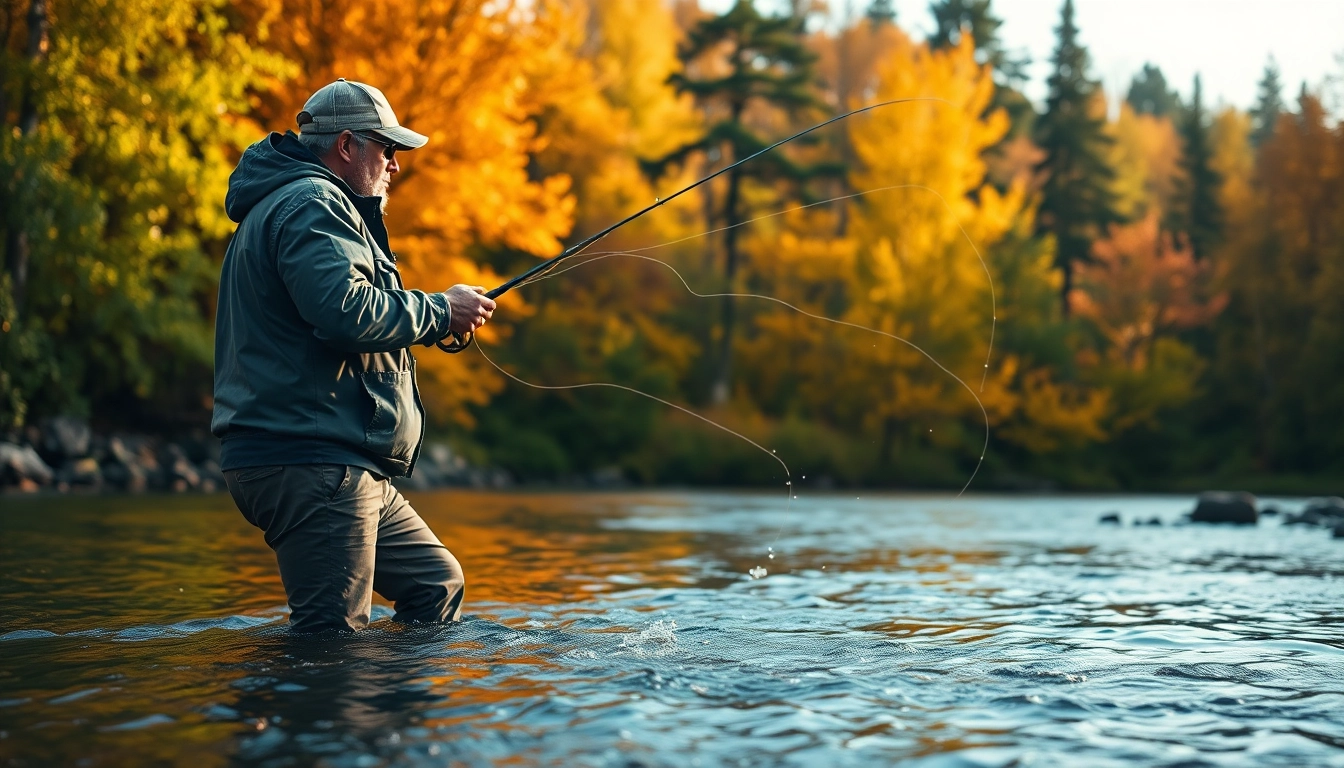
As any seasoned angler will tell you, the gear you wear can significantly affect your fly fishing experience. Investing in quality fly fishing apparel is not just about looking good on the river; it’s about enhancing comfort, performance, and safety while pursuing your next catch. Whether you are wading into the chilly waters of a mountain stream or casting along a sunny shoreline, the right apparel can protect you from the elements and allow you to focus on your fishing technique.
Understanding Material Choices
The foundation of effective fly fishing apparel lies in the materials used in its construction. Modern fabrics offer various benefits that cater specifically to anglers’ needs. Common materials include:
- Nylon: Known for its durability and resistance to abrasion, nylon is ideal for outer layers such as jackets and vests.
- Polyester: Often blended with other fabrics, polyester offers moisture-wicking properties, helping to keep you dry.
- Merino Wool: This natural fiber provides excellent insulation while managing moisture effectively, making it conducive for cool-weather fishing.
- Neoprene: Used mainly in waders, neoprene offers insulation and is waterproof, ensuring that anglers remain warm while wading in cold waters.
Ultimately, the choice of materials should align with the environmental conditions you expect to face during your outings.
Breathability and Weather Resistance
Breathability is a critical aspect of fly fishing apparel, especially when engaging in physically demanding activities. Breathable materials allow moisture vapors generated by perspiration to escape, helping to regulate body temperature and keep you comfortable. On the other hand, weather resistance is crucial for those unexpected rain showers or gusty winds.
When selecting outer layers, look for features such as:
- Waterproof Ratings: Fabrics with higher waterproof ratings (such as GORE-TEX) are a must for protecting against rain.
- Ventilation: Zippered vents and mesh linings can facilitate airflow while maintaining protection from the elements.
- Sealed Seams: These prevent water from penetrating through the stitching, ensuring that your apparel remains watertight.
Durability and Flexibility Features
When out on the water, your apparel needs to withstand not only the elements but also the rigors of fishing. Quality fly fishing apparel is designed to be durable, providing protection against scrapes and snags that can occur from brush, rocks, and tackle. Furthermore, flexibility is essential for facilitating a full range of motion.
Consider features like:
- Reinforced Areas: Stitched or taped reinforced patches at high-wear areas like elbows, knees, and seat ensure longevity.
- Stretch Fabrics: Look for apparel that includes some elastane or spandex to allow for freedom of movement.
- Impact Protection: Some brands offer apparel with built-in padding for enhanced protection while casting or navigating rocky shores.
Key Components of Fly Fishing Apparel
Waterproof Jackets for All Conditions
A high-quality waterproof jacket is indispensable for any fly angler. Given that weather conditions can change rapidly, a versatile jacket protects against rain, wind, and even unexpected chill. Look for jackets with impermeable materials and features that cater to an angler's needs:
- Hoods: A removable or adjustable hood can provide targeted protection against rain and wind.
- Pockets: Exterior pockets with waterproof zippers keep essential items secure and dry.
- Packability: Jackets that can be compressed into a small pouch are convenient for travel.
Comfort-Enhancing Pants and Shorts
Your choice of pants and shorts should strike a balance between comfort, functionality, and weather appropriateness. Consider pants with quick-dry materials, as they can help manage moisture while keeping the wearer comfortable throughout the day. Shorts are preferred in warmer weather but also ensure they are equipped with pockets for small gear and tools.
Look for features like:
- UPF Protection: Fabrics that offer UV protection can safeguard skin from the sun’s harmful rays.
- Built-in Belts: Many models provide adjustable or integrated belt systems for easy fit adjustments.
- Stretch Capabilities: Pants that utilize flexible materials allow for comfortable movement, ideal for the casting motion.
Versatile Layering Options
Layering is a fundamental principle in fly fishing apparel that allows anglers to adapt to changing temperatures and conditions. A good layering system typically includes:
- Base Layer: Moisture-wicking base layers keep sweat at bay and maintain an ideal core temperature.
- Insulating Layer: Mid-layers, such as a fleece or thermal top, provide warmth and can be removed when the temperature rises.
- Outer Layer: A robust waterproof shell serves as the final barrier against rain, wind, and cold.
Finding items that work well together and are easy to pack can significantly enhance your comfort on the water.
Choosing the Right Fly Fishing Apparel for Your Needs
Matching Apparel to Fishing Environments
Certain environments require specific apparel attributes. For instance, if you are planning a day of stream fishing in cooler climates, your outfit should prioritize warmth and moisture management. In contrast, tropical saltwater fishing requires lightweight, breathable gear to combat heat. Here’s a breakdown of how to match apparel to different fishing environments:
- Cold Water Fishing: Invest in thermal layers, waterproof outer shells, and insulated gloves to provide adequate warmth.
- Warm Water Fishing: Look for lightweight fabrics with excellent UPF protection and rapid-drying capabilities.
- Shoreline Fishing: Versatile pants and shirts that can transition from water to land offer comfort both while casting and during breaks.
Considering Your Fishing Style
Your fishing technique also plays a pivotal role in your choice of apparel. For instance, anglers who wade in deep waters may require more rugged waders and better insulation compared to those fishing from a boat. Below are considerations tailored to various fishing styles:
- Wade Fishing: Opt for lightweight, waterproof waders and breathable upper layers to facilitate easy movement.
- Float Tube Fishing: You may not get wet, but you’ll want breathable bottoms to ensure comfort during long hours sitting.
- Camping & Multiday Trips: Versatile apparel that can adapt to varying conditions should be prioritized, alongside extra insulation layers.
Size and Fit for Maximum Comfort
The fit of your apparel is just as critical as the quality of materials used. Misfit clothing can hinder movement and overall comfort, thereby impacting your performance on the water. Follow these tips for achieving the right fit:
- Refer to Size Charts: Each brand may have different sizing criteria; consult size guides to find your best fit.
- Try Before You Buy: If possible, try on gear to ensure ease of movement without tightness.
- Consider Layering: If planning to layer, ensure outer layers are slightly larger to accommodate underneath clothing.
Maintenance Tips for Longevity of Fly Fishing Apparel
Washing and Storing Best Practices
Taking care of your fly fishing apparel is essential to protect your investment and extend the lifecycle of your gear. Proper washing techniques and adequate storage can prevent fabric degradation and maintain protective features.
Focus on these practices:
- Follow Label Instructions: Always adhere to care guidelines to avoid damaging your clothing.
- Use Mild Detergents: Opt for gentle, non-aggressive detergents free from fabric softeners, which can impair water-repellency.
- Air Dry: Select air drying when cleaning breathable materials to maintain their integrity.
Repairing Minor Damages
Wear and tear can happen while fishing, but thankfully many minor damages can be repaired effectively. Knowing how to manage these blemishes saves you from costly replacements. A few strategies include:
- Patching Holes: Fabric patches can be sewn or ironed on to cover small tears, maintaining waterproof characteristics.
- Seam Sealing: Use seam tape to protect areas that may have loosened or begun to peel away over time.
- Replacing Zippers: For zippers that have become stuck or malfunctioned, replacing them can be a relatively simple task.
Knowing When to Replace Your Gear
Eventually, all fishing apparel will reach the end of its lifespan. Identifying when it’s time to replace your gear is critical to ensure safety and comfort.
Key indicators include:
- Visible Wear: Check for fraying seams, holes, or worn areas that compromise functionality.
- Loss of Waterproofing: If your gear is no longer keeping you dry, consider investing in new pieces.
- Changing Needs: As your fishing style evolves, you may require apparel that aligns with new activities.
Where to Buy High-Quality Fly Fishing Apparel
Top Retailers and Online Stores
When searching for high-quality fly fishing apparel, knowing where to look is just as important as understanding what to buy. Renowned retailers and specialized online stores usually provide a wide selection of reputable brands. Some notable options include:
- Specialty Fishing Stores: Stores dedicated to fishing often carry quality, specialized apparel tailored for anglers.
- Outdoor Retailers: Large outdoor retailers like REI and Cabela’s present various brands and products, often with seasonal sales.
- Direct Brand Websites: Many reputable brands sell directly through their websites, offering exclusive deals and new arrivals.
Reading Customer Reviews for Insights
Once you identify potential apparel, dive into customer reviews. Real-world insights can help gauge the effectiveness, comfort level, and durability of the product. Pay attention to reviews about:
- Comfort under Activity: Look for feedback specifically related to the apparel’s performance during fishing tasks.
- Longevity and Wear: Assess how well the product has held up over time, especially after multiple washes and use conditions.
- Sizing Accuracy: Customer feedback often reveals whether a brand runs true to size or if adjustments are necessary.
Evaluating Price vs. Quality
Understanding how to evaluate the balance between price and quality is crucial for making smart purchases. While it may be tempting to opt for cheaper alternatives, consider the long-term value of investing in durable, high-quality clothing. Here are several steps to assess your choices:
- Compare Material Quality: More reputable brands often cite their fabric properties—look for qualities such as waterproofing and UV resistance.
- Warranty and Return Policies: A good warranty reflects confidence in product quality. Brands offering solid return policies underscore their commitment to customer satisfaction.
- Learn from Reviews: Use prior customer experiences to inform whether the price reflects quality performance.