Understanding Structural Steel Construction: Advantages and Best Practices
Introduction to Structural Steel Construction
Structural steel construction represents a pivotal aspect of modern architecture and engineering, underpinning large-scale projects with its strength and versatility. This construction method is not merely about bending metal into beams and columns; it encapsulates a whole spectrum of design possibilities, durability, and efficiency. As industries continue to evolve, so does the methodology, technology, and materials surrounding structural steel construction. This article delves into the nuances of structural steel, exploring its fundamental properties, design implications, construction techniques, and emerging trends that are shaping the future of the industry.
What is Structural Steel?
Structural steel is a category of steel utilized in the construction of buildings, bridges, and other structures due to its high strength-to-weight ratio and durability. Originating from iron, this carbon-based material is available in various grades, each specified for different structural applications. Characteristically, structural steel comes in diverse shapes and sizes, such as beams, columns, and plates, which can be tailored to meet specific engineering requirements.
The Role of Structural Steel in Modern Architecture
In contemporary architecture, structural steel serves not only as a foundational component but also as a design element that allows for innovative aesthetics. Its capacity to support vast spans without intermediary columns helps architects realize ambitious designs. Structures like high-rise buildings and expansive arenas gain their iconic skylines through the strategic use of structural steel, promoting open, flexible spaces. Moreover, the ability to prefabricate steel elements enhances construction timelines and reduces labor costs.
Key Benefits of Structural Steel Construction
- Strength and Durability: With a high tensile strength, structural steel can withstand extreme conditions, including seismic activity, wind loads, and corrosion.
- Cost-Effectiveness: Rapid construction times and durability lead to lower labor and maintenance costs, making it economically advantageous for large projects.
- Flexibility: Structural steel can be molded into various forms and combined with other materials, allowing for creative architectural expressions.
- Sustainability: With advancements in recycling technology, steel can be repurposed from old structures, contributing to environmentally friendly practices.
Types of Structural Steel Used in Construction
Common Grades and Specifications
Structural steel is graded based on its chemical composition and mechanical properties. Common grades include:
- ASTM A36: This is one of the most widely used carbon structural steel grades, notable for its excellent weldability and machineability.
- ASTM A992: Specifically designed for building structures, this steel provides improved strength and is used primarily in beams and columns.
- ASTM A572: This grade includes high-strength low-alloy steels, suitable for bridges, buildings, and other structures requiring enhanced strength.
Comparative Analysis of Steel Shapes
Structural steel comes in various shapes, including:
- I-Beams: These are commonly used for framing and support in buildings.
- H-Beams: Similar to I-beams but with wider flanges, offering greater load-bearing capacity.
- T-Beams: Utilized for loading applications, particularly in bridge construction.
- Channel Sections: Used in different applications, including bracing and structural support for walls and roofs.
Applications of Various Types of Structural Steel
The applications of different types of structural steel are vast and varied:
- High-Rise Buildings: Utilizing steel frames allows for tall structures that can occupy smaller footprints.
- Bridges: Steel’s tensile strength is ideal for long spans, making it a preferred material for bridge construction.
- Industrial Structures: Factories and warehouses benefit from the quick assembly and capacity for heavy equipment installation.
Designing for Structural Steel Construction
Best Practices for Structural Steel Design
Designing with structural steel demands careful consideration of several factors:
- Load Considerations: Understanding various loads—dead, live, wind, seismic—and their effects on the structure is crucial.
- Material Selection: Choosing the right grade of steel influences both cost and structural integrity.
- Load Path Analysis: A clear load path assists in determining how loads will transfer through the structural steel framework.
Working with Structural Engineers
Collaborating with structural engineers can enhance the effectiveness and safety of a structural steel project. These professionals bring expertise in load analysis, material specifications, and compliance with local building codes that ensure the structural integrity of the design.
Innovative Design Methods in the Industry
Modern design techniques are transforming the landscape of structural steel construction:
- BIM (Building Information Modeling): This innovative technology allows for detailed digital representations of structures, streamlining the design and construction process.
- Modular Construction: Prefabricated steel components can be manufactured off-site and assembled on-site, improving construction efficiency.
- Value Engineering: This process involves evaluating functions and costs to enhance project value while meeting required efficiencies.
Construction Processes and Techniques
Steps in Structural Steel Fabrication
The fabrication of structural steel involves a series of methodical steps:
- Cutting: Steel plates and sections are cut to specified dimensions.
- Bending and Forming: Components are bent and shaped, often using specialized machinery.
- Welding: Fabricators join sections using welding techniques, ensuring the structural integrity of connections.
- Finishing: The final process may include grinding, painting, or galvanizing for corrosion prevention.
Assembly and Erection Techniques
The assembly of structural steel on-site requires precise techniques:
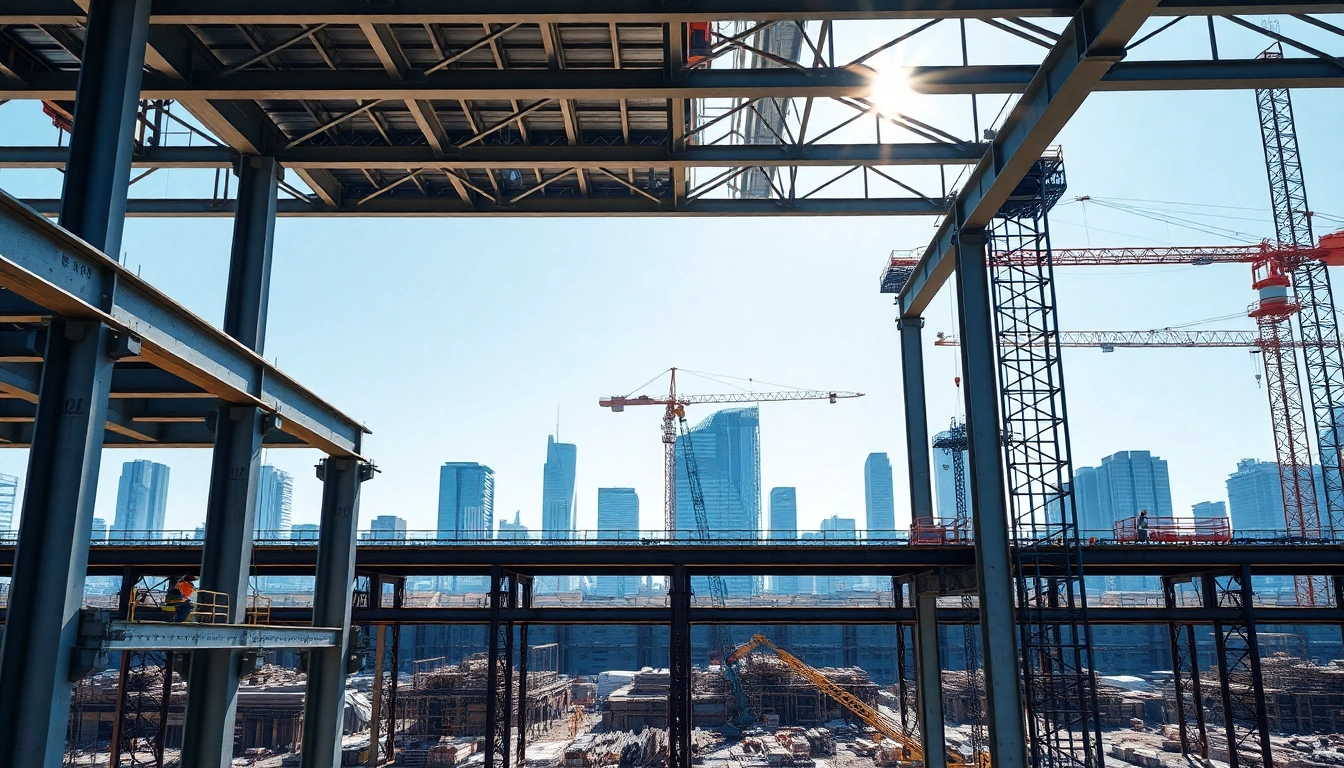
- Use of Cranes: Cranes lift heavy steel elements into place, followed by bolting or welding.
- Sequential Erection: Components are erected in a predetermined order to maintain stability.
- Quality Control: Inspections are integral throughout the erection process to ensure adherence to design specifications.
Safety Considerations in Steel Construction
Safety is paramount in structural steel construction: effective training, PPE (personal protective equipment), and adherence to OSHA regulations are essential to prevent accidents during fabrication and erection phases. Regular safety audits can further enhance on-site safety protocols.
Future Trends in Structural Steel Construction
Advancements in Steel Technology
As the construction industry evolves, innovations in steel technology are key drivers of progress:
- High-Strength Steels: The development of stronger alloys allows for slimmer profiles with increased load capacities.
- Smart Steel: Materials embedded with sensors can offer real-time monitoring of structural performance.
Sustainability in Structural Steel Construction
Sustainability is receiving greater attention, with practices such as using recycled steel, reducing waste through efficient design, and embracing energy-efficient manufacturing processes leading the way. Green building certifications are increasingly influenced by structural steel’s sustainability footprint.
Emerging Industry Standards and Regulations
Staying abreast of evolving industry standards is critical for compliance and safety. New regulations around sustainability and material usage are being integrated into building codes, further shaping the future of structural steel construction.