Understanding AC Installation Services
What Are AC Installation Services?
AC installation services refer to a specialized process in which air conditioning systems are expertly installed in residential or commercial spaces. This service generally involves selecting the right type of air conditioning unit, positioning both indoor and outdoor components, and connecting the necessary electrical systems and ductwork to ensure optimal performance. Engaging reliable AC installation services ensures that your system is set up correctly from the outset, which contributes to energy efficiency and increases the system’s lifespan.
Importance of Professional Installation
While DIY projects can be appealing, professional installation is crucial for several reasons. First and foremost, it minimizes the risk of costly mistakes and safety hazards. Trained professionals have the expertise to assess your home’s cooling needs while ensuring that all electrical and refrigerant connections are up to code. Moreover, many manufacturers require professional installation to maintain warranty coverage. In essence, investing in professional services guarantees reliability, efficient operation, and longevity of your air conditioning system.
Choosing the Right AC System
Selecting the right air conditioning system is pivotal to achieving desired indoor comfort levels. Factors to consider include the size of the space, local climate, and the level of insulation in your building. A properly sized unit ensures that the system runs efficiently, without overworking or underperforming. Common options include central air conditioning systems, ductless mini-splits, and window units, each with their own pros and cons. Consulting with an HVAC specialist can guide you toward the ideal choice for your specific needs.
Preparing for AC Installation
Home Assessment Before Installation
Before installing an AC system, a thorough home assessment is necessary to evaluate your space and determine the best system for your needs. This assessment involves checking the square footage of the area, the existing insulation, and the general layout of the home. Understanding these elements allows for tailored solutions that optimize your air conditioning’s efficiency and performance.
Necessary Tools and Equipment
The tools needed for AC installation typically include a torque wrench, pipe cutter, refrigerant gauge set, screwdrivers, and multimeter. Professionals may also use specialized equipment such as vacuum pumps and refrigerant recovery devices. Ensuring you have the correct tools on hand is vital for a smooth installation process and enhances the quality of the final setup.
Deciding on Placement of the Unit
The placement of both the indoor and outdoor units is critical in maximizing the effectiveness of your air conditioning system. Indoor units should be installed in central locations within the house for even air distribution, while outdoor units need proper airflow and protection from elements. Factors to consider include avoiding direct sunlight, proximity to trees, walls, or other obstructions which could hinder the unit’s performance.
Step-by-Step AC Installation Process
Installing the Indoor Unit
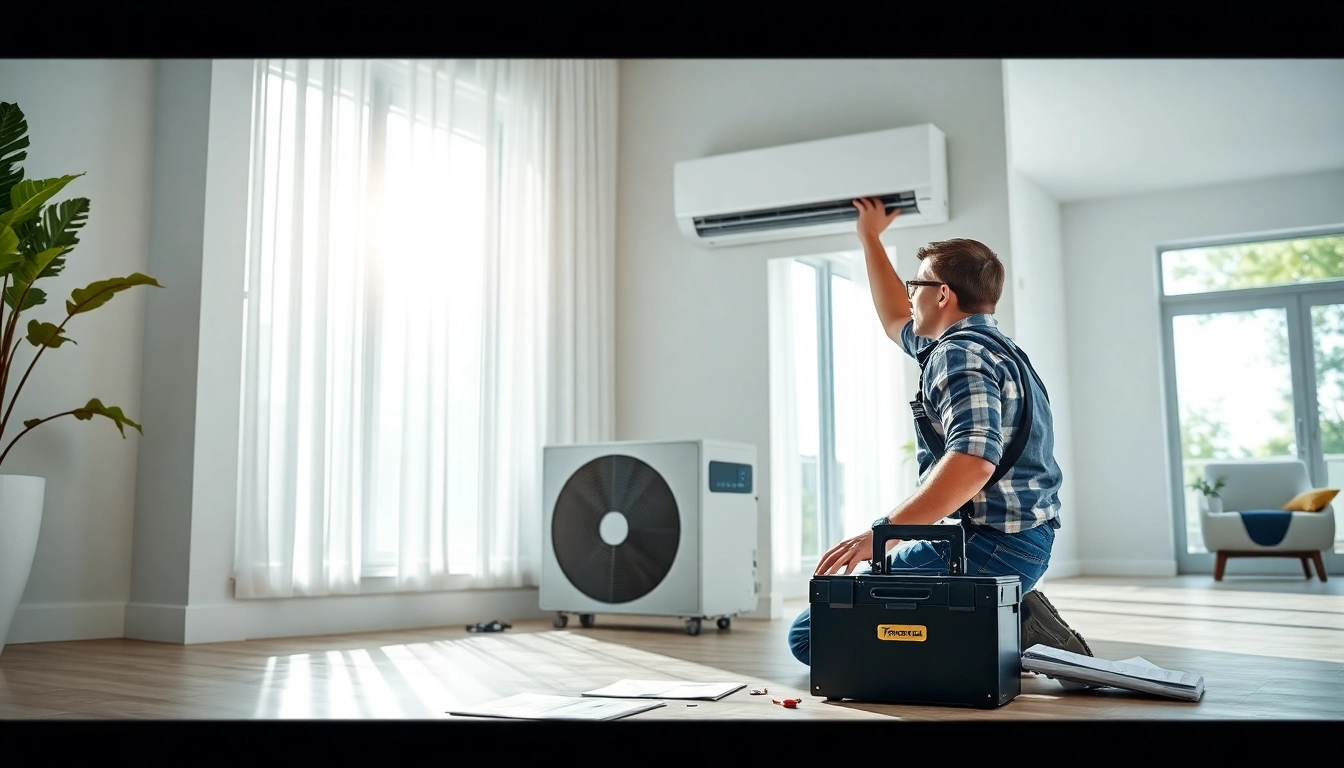
Installing the indoor unit entails securing it to the wall or ceiling, ensuring it is level to allow for proper drainage. The installation should include the electrical connections and the refrigerant lines, which will connect to the outdoor unit. Proper insulation around these lines is also necessary to reduce energy loss and ensure efficient operation.
Setting Up the Outdoor Unit
During the installation of the outdoor unit, professionals prioritize creating a sturdy base that can withstand external conditions. The unit should be placed on a concrete slab or metal bracket to avoid potential flooding. Proper electrical connections to the breaker panel and running the refrigerant lines from the indoor unit are essential at this stage to ensure seamless operation.
Testing and Final Adjustments
Once both units are installed, the final testing phase begins. This includes checking the refrigerant levels, ensuring there are no leaks, and testing the electrical connections. Professionals will also run the system for a short period to confirm that it cools effectively while measuring the airflow. Final adjustments may be made based on this testing to optimize performance.
Common Challenges in AC Installation Services
Identifying Electrical Issues
Electrical issues can often complicate the installation process; therefore, a thorough electrical inspection is necessary before beginning an installation. Common problems include outdated wiring, incompatible breakers, or insufficient electrical supply. Identifying these challenges at an early stage helps avoid delays and safety hazards, ensuring a smoother installation process.
Dealing with Space Constraints
Space constraints can present unique challenges, especially in older homes or tight urban environments. If space is limited, ductless mini-split systems may be a preferable option due to their compact design. Creative solutions like installing the outdoor unit on a balcony or creating a dedicated structure may also be necessary. Consulting with a professional ensures that the best use of available space is made.
Navigating Local Regulations
Compliance with local codes and regulations is non-negotiable when it comes to AC installation. These regulations may dictate allowable unit placements, noise levels, and safety protocols. Professionals are well-equipped to navigate these regulations; hence hiring an expert can save you from potential fines or the need for costly adjustments later.
Post-Installation Care and Maintenance
Regular Maintenance Tips
Regular maintenance is essential in prolonging the lifespan of your AC system. This includes changing the air filters every 1-3 months to maintain airflow and efficiency. Seasonal professional check-ups can identify issues before they escalate, ensuring that the system runs smoothly throughout high-demand seasons. Keeping the outdoor unit clean and unobstructed will also help maintain optimal performance.
Signs Your AC Needs Repair
There are several warning signs that can indicate the need for AC repairs. These may include unusual noises, unpleasant odors, inconsistent cooling, and increased energy bills. If your unit malfunctions, it is vital to address repairs promptly to avoid more extensive damage and unnecessary costs. Early intervention is crucial to keeping your system in peak operating condition.
When to Schedule Professional Services
Most homeowners should schedule professional servicing at least once a year, preferably before the peak cooling season. Additional servicing is advisable if you notice any performance issues, or unusual noises. Seasonal maintenance appointments are essential to verify that the system runs efficiently and that necessary adjustments are made to maintain a comfortable indoor environment.
Frequently Asked Questions
1. How long does an AC installation process take?
The installation process typically takes several hours to a full day, depending on the complexity and type of the AC system being installed.
2. What factors affect the cost of AC installation?
Installation costs can vary based on the unit type, home size, labor costs, and any additional modifications needed for installation.
3. Can I install an AC unit myself?
While DIY installation is possible, it is highly recommended to hire professionals to ensure safety, compliance, and proper functionality.
4. How can I improve my AC system’s efficiency?
Regular maintenance, changing filters, keeping the outdoor unit clean, and using a programmable thermostat can significantly improve efficiency.
5. What should I do if my AC unit is not cooling properly?
If your AC isn’t cooling, check the thermostat setting and filters. If issues persist, contact a professional for diagnosis and repairs.