Enhancing Construction Site Safety: Best Practices and Guidelines
Understanding Construction Site Safety Fundamentals
Construction sites can be bustling environments where workers are engaged in complex tasks requiring safety precautions at every turn. Ensuring construction site safety is paramount for protecting workers, minimizing accidents, and promoting a culture of safety across the industry.
Importance of Safety Regulations
Safety regulations play a critical role in safeguarding the health and well-being of construction personnel. These legally binding guidelines are designed to prevent workplace injuries, provide a recognized framework for best practices, and ensure accountability among employers and employees alike. Organizations such as the Occupational Safety and Health Administration (OSHA) in the United States enforce these standards, ensuring that construction sites adhere to protocols that mitigate risks.
Compliance with safety regulations not only protects workers but also enhances project efficiency and can prevent costly delays that arise from accidents. Furthermore, companies that prioritize safety can establish a positive reputation, attracting skilled workers and clients who value safety-focused practices.
Common Hazards on Construction Sites
Construction sites are rife with hazards that can lead to serious injuries or fatalities. Some common dangers include:
- Falls: Often resulting from unguarded edges or improper use of ladders and scaffolding, falls are a leading cause of construction injuries.
- Electrocution: Exposure to electrical wiring or malfunctioning equipment poses a high risk to workers, particularly in wet conditions.
- Being Struck by Objects: Workers can be injured by falling tools, equipment, or materials, especially during lifting and moving operations.
- Caught-in/Between Accidents: Workers can be caught in or between machinery and structures, leading to critical injuries.
Recognizing these hazards and implementing robust safety measures is essential for preventing incidents and creating a safer workplace.
Roles of Workers in Ensuring Safety
All personnel on a construction site play a role in maintaining a culture of safety. This includes:
- Site Managers: Responsible for ensuring compliance with safety regulations and conducting safety audits.
- Supervisors: Directly overseeing workers, providing safety guidance, and ensuring that safety gear is worn by everyone.
- Workers: Engaging in safe work practices, reporting hazards immediately, and participating in safety training.
By fostering a collective responsibility for safety, teams can significantly reduce accidents and enhance overall site safety.
Effective Safety Training Programs
Training is a pivotal element in promoting construction site safety. Through comprehensive training programs, workers are better equipped to identify hazards and respond appropriately.
Types of Training Required
Construction safety training encompasses a variety of topics, including:
- Fall Protection: Training on using harnesses, guard rails, and scaffolding properly to prevent falls.
- Hazard Communication: Understanding material safety data sheets (MSDS) and recognizing chemical hazards.
- First Aid and CPR: Enabling workers to address injuries on-site before emergency services arrive.
- Machine Operation: Safe operation and maintenance of equipment to prevent accidents.
Training should be tailored to the specific needs of the projects and workers involved.
Creating a Safety Training Schedule
A well-structured training schedule is crucial for maximizing the effectiveness of safety programs. Key considerations include:
- Frequency: Training should occur at regular intervals, such as annually or biannually, depending on the type of training.
- New Worker Orientation: Each new worker should receive initial training before commencing any tasks on-site.
- Refresher Courses: Continuous learning through refresher courses keeps safety top-of-mind.
Engaging workers in the planning process can enhance their commitment to safety training.
Measuring Training Effectiveness
To ensure that training programs contribute positively to safety outcomes, measuring their effectiveness is vital. This can be accomplished through:
- Testing and Assessments: Evaluating workers’ understanding through written tests and practical assessments.
- Incident Reports: Monitoring accident rates before and after training can help assess improvements.
- Feedback Surveys: Collecting feedback from workers about the training experience can provide insights into areas needing enhancement.
Continuously refining training efforts based on gathered data will help ensure that they remain relevant and effective.
Personal Protective Equipment for Construction
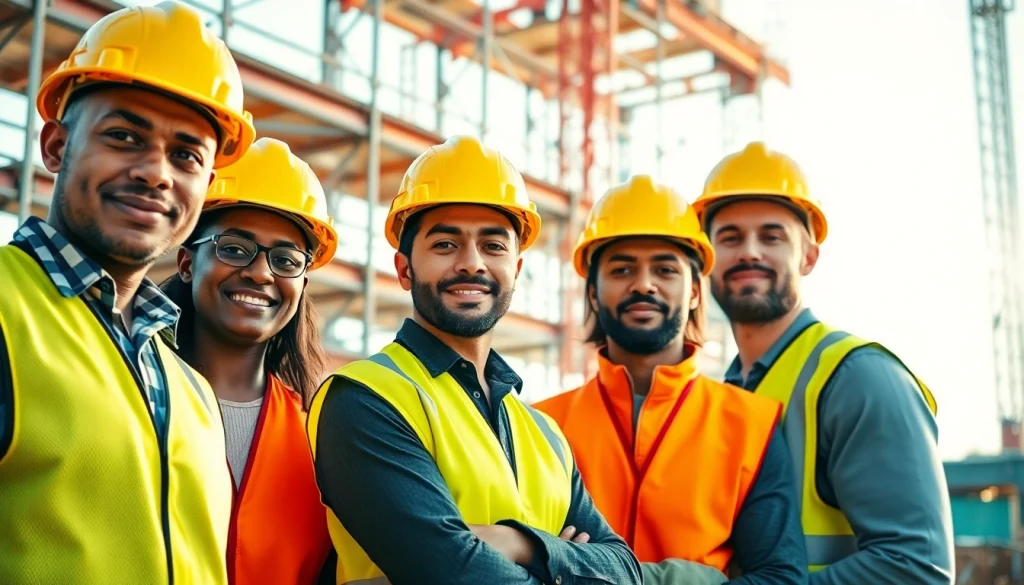
Personal Protective Equipment (PPE) is an essential line of defense in ensuring worker safety on construction sites. Properly selected, used, and maintained PPE can significantly reduce the risk of injury.
Essential Gear for Workers
The essentials of PPE in construction include:
- Hard Hats: Protect against head injuries from falling objects.
- Safety Glasses: Prevent eye injuries from dust, debris, and chemical splashes.
- High-Visibility Clothing: Ensure workers are seen, particularly in low-light conditions.
- Steel-Toed Boots: Protect feet from heavy objects.
- Gloves: Guard against cuts, abrasions, and chemical exposure.
Choosing appropriate PPE is vital based on the specific risks present in the work environment.
Choosing the Right PPE
When selecting PPE, consider factors such as:
- Risk Assessment: Identify specific hazards inherent to the construction activities being performed.
- Standards Compliance: Ensure PPE meets safety standards set by agencies like ANSI or OSHA.
- Comfort and Functionality: Ensure that PPE is comfortable to wear and allows for the necessary mobility while performing tasks.
Involving workers in the selection of PPE can enhance compliance and proper use.
Ensuring Proper Use and Maintenance
To maximize the effectiveness of PPE, proper use and maintenance are critical:
- Regular Inspections: Conduct routine checks to ensure equipment is in good condition and ready for use.
- Cleaning Protocols: Establish cleaning schedules to maintain hygiene and functionality.
- Replacement Policies: Define criteria for when PPE should be replaced to ensure ongoing protection.
Regular training on the proper use and care of PPE enhances safety and worker accountability.
Implementing Safety Protocols on Site
Effective safety protocols are indispensable for minimizing risk on construction sites. A structured approach includes the following components:
Daily Safety Checklists
Daily safety checklists should be implemented to ensure comprehensive oversight of safety measures. These checklists typically include items such as:
- Inspection of PPE
- Checking for hazards in the work area
- Reviewing emergency exits and first aid kit availability
Utilizing checklists ensures accountability and fosters a proactive approach to safety.
Emergency Procedures and Plans
Every construction site should have clearly defined emergency procedures tailored to different potential scenarios, including:
- Fire evacuation protocols
- Severe weather contingency plans
- Medical emergency response processes
Regular emergency drills help familiarize workers with procedures and enhance their confidence in responding to crises.
Crisis Management Strategies
Having an established crisis management plan is critical for responding swiftly and effectively to incidents on-site. Key considerations include:
- Incident Command Structure: Defining roles and responsibilities during a crisis enhances coordination.
- Communication Plans: Implementing protocols for informing workers and stakeholders during emergencies.
- Post-Incident Reviews: Conducting assessments after incidents to identify lessons learned and future improvements.
A well-prepared site can minimize the impact of crises and protect workers effectively.
Monitoring and Continuous Improvement
Ongoing monitoring and a commitment to continuous improvement are essential for maintaining a high standard of safety on construction sites.
Conducting Safety Audits
Regular safety audits evaluate the effectiveness of existing safety measures. Components of a successful audit include:
- Reviewing compliance with safety regulations
- Assessing equipment condition and maintenance records
- Evaluating training records and participation rates
Safety audits provide a mechanism for identifying weaknesses and formulating corrective actions.
Collecting Worker Feedback
Actively seeking input from workers regarding safety practices fosters an inclusive safety culture. Strategies for collecting feedback include:
- Surveys and suggestion boxes
- Regular safety meetings
- Open-door policies for discussing safety concerns
Integrating worker feedback into safety procedures can lead to practical improvements and increased morale.
Adapting to New Safety Technologies
Technology is an ever-evolving component of construction safety. Staying updated on emerging safety technologies, such as:
- Wearable devices for monitoring health conditions
- Drones for site inspections
- Virtual Reality (VR) for immersive safety training
Embracing new technologies can enhance safety measures, improve training experiences, and ultimately reduce accidents on site.
Frequently Asked Questions (FAQs)
What are the most common causes of construction site accidents?
The most common causes include falls, electrocutions, being struck by objects, and being caught in or between equipment.
How often should safety training be conducted on construction sites?
Safety training should be conducted regularly, ideally at least annually, with additional training for new workers or after incidents.
What is the role of PPE in construction safety?
PPE provides a crucial line of defense against workplace hazards and is vital for preventing injuries and ensuring compliance with safety regulations.
How can workers report safety hazards?
Workers should report safety hazards immediately to supervisors or through established protocols like safety meetings or suggestion boxes.
What should be included in a site safety audit?
A site safety audit should evaluate compliance, equipment conditions, incident records, and the effectiveness of safety training.