Strategies for Effective Construction Site Safety Management
Understanding Construction Site Safety Importance
Construction site safety encompasses a set of practices and protocols designed to protect workers, visitors, and the general public from accidents and injuries while on construction sites. It is a critical aspect of the construction industry that ensures that projects are completed efficiently and without harm. An emphasis on construction site safety can significantly reduce the occurrence of accidents, improve overall project productivity, and foster a culture of safety within the workforce.
What is Construction Site Safety?
Construction site safety refers to the comprehensive strategies implemented to maintain a safe working environment on construction sites. These strategies encompass identifying potential hazards, utilizing personal protective equipment, adhering to safety regulations, and conducting regular training sessions for workers. Safety measures are tailored to the unique challenges posed by each construction project, whether it involves new building construction, renovations, or specialized tasks such as high-rise work.
Key Benefits of Prioritizing Safety
Prioritizing safety on construction sites yields numerous benefits:
- Reduced Accidents: A focus on safety protocols minimizes the likelihood of accidents and injuries, protecting workers and reducing downtime.
- Lower Insurance Costs: Fewer accidents can lead to lower premiums for workplace insurance, providing financial savings for companies.
- Enhanced Productivity: A safe work environment allows employees to focus on their tasks without the distraction of potential hazards, leading to improved efficiency.
- Improved Workforce Morale: Workers feel valued when their safety is prioritized, enhancing job satisfaction and retention.
- Compliance with Regulations: Adhering to safety standards ensures legal compliance, avoiding costly penalties and legal ramifications.
Legal Regulations and Compliance in Construction Safety
Legal regulations for construction site safety are established to protect workers and the public. These regulations vary by region but generally encompass guidelines regarding hazardous materials, equipment usage, and worker training requirements. Compliance is vital for construction companies to operate legally and ethically. Regular audits, inspections, and documentation are essential to ensure adherence to these regulations, maintain certifications, and create a culture of accountability.
Common Hazards on Construction Sites
Identifying Potential Risks
Construction sites are rife with potential hazards that can lead to serious accidents if not identified and managed efficiently. Common risks include:
- Falls: Falls from heights are one of the leading causes of injury in construction. Proper scaffolding, harnesses, and guardrails are essential to mitigate this risk.
- Struck-by Incidents: Workers may be struck by equipment, falling objects, or vehicles in the construction zone. Awareness and proper signaling can help prevent these accidents.
- Electrical Hazards: Exposure to live wires and improper grounding can lead to electrocutions. Using insulated tools and maintaining equipment can reduce these hazards.
- Hazardous Materials: Exposure to harmful substances like asbestos, lead paint, and chemicals can pose severe health risks. Proper training and protective gear are essential when handling such materials.
Preventing Falls and Equipment-Related Incidents
Falls and equipment-related incidents are among the most frequent causes of injuries on construction sites. Preventive measures include:
- Effective Training: Regular training sessions ensure that workers understand safety protocols related to equipment operation and fall prevention techniques.
- Use of PPE: Personal Protective Equipment such as helmets, harnesses, and non-slip footwear minimizes the risk of fall-related injuries.
- Site Inspections: Conducting routine inspections of equipment and safety features (like guardrails and scaffolding) ensures that work environments remain safe.
Safety in Confined Spaces and Hazardous Material Handling
Confined spaces present unique dangers, including limited access and the potential for hazardous atmospheres. Safety protocols for working in confined spaces include:
- Atmospheric Testing: Prior to entry, air quality testing should be conducted to check for harmful gases or insufficient oxygen levels.
- Rescue Plans: Establishing a quick-response plan ensures immediate action in case of emergencies within confined areas.
- Handling Hazardous Materials: Workers handling hazardous materials must be trained in Material Safety Data Sheets (MSDS) and proper disposal techniques.
Essential Safety Equipment and Practices
Mandatory Personal Protective Equipment (PPE) Standards
The utilization of Personal Protective Equipment (PPE) is paramount in maintaining safety standards on construction sites. Common PPE includes:
- Hard Hats: Protect against head injuries from falling objects.
- Gloves: Prevent cuts and abrasions while handling materials.
- Safety Goggles: Shield eyes from debris and harmful substances.
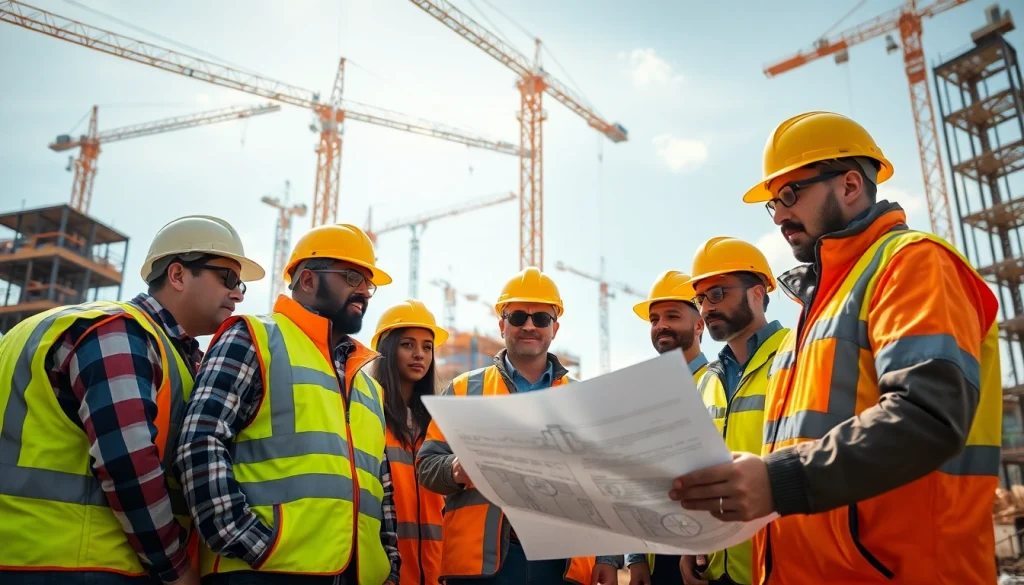
- High-Visibility Clothing: Ensures workers are visible to machinery operators, reducing the risk of struck-by incidents.
Effective Safety Training and Awareness Programs
Continuous training is integral to fostering a culture of safety. Effective training programs should include:
- Orientation for New Employees: Educating new hires about safety protocols, site hazards, and emergency procedures ensures they are prepared from their first day.
- Refresher Courses: Regular training updates keep workers aware of new regulations and safety technologies.
- Hands-On Safety Drills: Practicing emergency procedures prepares teams to respond effectively when accidents occur.
Developing a Culture of Safety Among Workers
Cultivating a culture of safety involves engaging all employees in safety protocols and encouraging open communication about safety concerns. Effective strategies include:
- Involving Workers in Safety Planning: Give employees a voice in safety discussions and planning, as frontline workers can provide valuable insights into potential hazards.
- Acknowledging Safe Practices: Recognizing and rewarding safe behavior promotes a proactive approach to safety among the workforce.
- Regular Safety Meetings: These foster ongoing discussions and allow workers to share experiences and suggest improvements.
Emergency Preparedness and Response
Creating an Emergency Action Plan
An Emergency Action Plan (EAP) is essential for ensuring swift and organized responses during incidents, including fires, severe weather, or personal injuries. Key elements of an EAP include:
- Evacuation Routes: Clearly defined escape paths and assembly points should be established and communicated to all workers.
- Emergency Contacts: A list of key contacts, including local emergency services, should be easily accessible on-site.
- Roles and Responsibilities: Assign specific roles to workers during emergencies to streamline response efforts.
Conducting Regular Safety Drills and Updates
Regular drills ensure that workers are familiar with emergency procedures and can act quickly in crises. Effective practice involves:
- Frequency: Conduct drills at least quarterly, while also varying the scenarios to cover different types of emergencies.
- Feedback Mechanism: After each drill, gather feedback from participants to identify areas for improvement.
- Documentation: Keep records of all drills, including participation and outcomes, to track compliance and effectiveness.
First Aid Kits and Medical Response Readiness
Having readily accessible first aid kits and trained personnel is vital for effective emergency response. Guidelines include:
- Stocking First Aid Kits: Ensure that kits are stocked with essential supplies, including dressings, antiseptics, and splints.
- Training Workers in First Aid: Designate personnel for first aid training, ensuring they can respond effectively to injuries.
- Emergency Medical Services (EMS) Collaboration: Establish relationships with local EMS providers for prompt medical attention when needed.
Measuring and Improving Construction Site Safety
Using Safety Metrics and Performance Indicators
To assess safety performance, construction companies can use various metrics, including:
- Incident Rate: Track the frequency of incidents relative to the number of worked hours.
- Days Away from Work: Monitor days lost due to accidents, highlighting workplace safety conditions.
- Safety Training Completion Rate: Measure the percentage of employees who have completed required safety training programs.
Conducting Regular Safety Audits
Safety audits are crucial for identifying areas of improvement and ensuring compliance with safety policies. Steps include:
- Scheduled Reviews: Conduct audits periodically to maintain compliance and review new regulations.
- Checklists and Observations: Use checklists to systematically assess compliance with safety protocols.
- Feedback Integration: Incorporate worker feedback into audit assessments to gauge the effectiveness of safety practices.
Continuous Improvement Through Feedback and Adaptation
Continuous improvement in safety practices involves a feedback loop where safety protocols are regularly reviewed and adapted. Strategies include:
- Soliciting Worker Feedback: Encourage workers to voice their concerns and suggestions regarding safety practices.
- Analyzing Incident Reports: Examine near misses and incidents to discern patterns and implement necessary changes.
- Staying Informed: Keep abreast of industry best practices and recommendations to ensure ongoing safety advancements.
Frequently Asked Questions About Construction Site Safety
What should be included in a construction site safety plan?
A safety plan should include hazard identification, safety protocols, emergency procedures, PPE requirements, and employee training plans.
Who is responsible for safety on a construction site?
Safety is a shared responsibility; employers must ensure safety measures are in place, while workers must follow protocols and report hazards.
How often should safety training be conducted on construction sites?
Safety training should be conducted regularly, with initial training for new hires and quarterly refresher courses for all employees.
What are the consequences of not adhering to construction safety regulations?
Consequences can include legal penalties, increased insurance costs, workplace injuries, and damage to reputation.
How can construction companies improve their safety culture?
Companies can improve safety culture through ongoing training, open communication, employee involvement in safety planning, and recognition of safe practices.