
Understanding Anxiety Symptoms: Signs, Impacts, and Coping Strategies
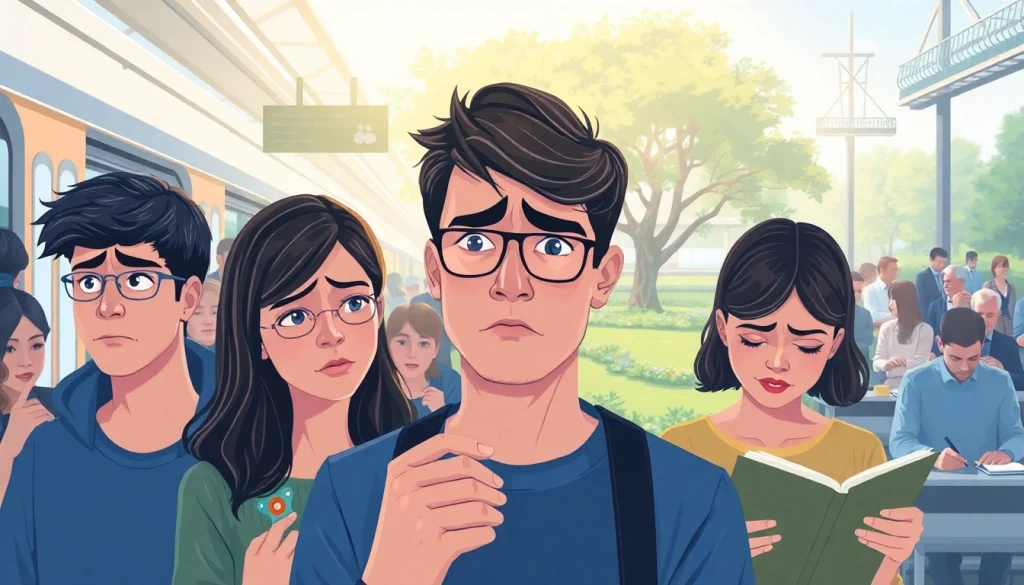
1. Introduction to Anxiety Symptoms
1.1 What Are Anxiety Symptoms?
Anxiety symptoms refer to a range of emotional, physical, and cognitive manifestations that occur when an individual experiences anxiety—a natural response to stress or perceived threats. These symptoms can vary dramatically among individuals, encompassing feelings of fear, restlessness, and panic, as well as physical reactions like rapid heartbeat and muscle tension. Understanding anxiety symptoms is crucial for identifying anxiety and seeking appropriate strategies to manage it effectively.
1.2 Importance of Recognizing Anxiety Symptoms
Recognizing anxiety symptoms is critical for various reasons. Firstly, early identification can lead to timely intervention, preventing escalation into chronic anxiety disorders. Moreover, awareness of these symptoms allows individuals to differentiate between normal stress reactions and anxiety that may require professional help. Understanding one’s own symptoms can foster better coping strategies and enhance overall mental health and well-being.
1.3 How Anxiety Symptoms Manifest in Daily Life
Anxiety symptoms can significantly disrupt daily life, manifesting in multiple ways. Individuals may experience heightened irritability, avoidance of social situations, or difficulty concentrating. Physical symptoms, such as fatigue or digestive issues, may also emerge, disrupting routine activities and diminishing quality of life. Recognizing how these symptoms present themselves in everyday scenarios is essential for understanding their impact and seeking solutions.
2. Types of Anxiety Symptoms
2.1 Physical Anxiety Symptoms
Physical anxiety symptoms can often be the most noticeable and may include symptoms such as sweating, trembling, shortness of breath, and a racing heartbeat. These symptoms are part of the body’s fight-or-flight response and may occur during heightened moments of anxiety. Understanding these symptoms can help individuals recognize moments of anxiety and prompt them to employ coping strategies promptly.
2.2 Emotional and Behavioral Anxiety Symptoms
Emotional manifestations of anxiety include feelings of dread, panic, or unease that can lead to behavioral changes. Individuals may withdraw from social interactions, avoid certain places, or exhibit increased irritability. Identifying these emotional and behavioral responses is crucial, as they can signal underlying anxiety that requires attention and intervention for healthier coping mechanisms.
2.3 Cognitive Symptoms Associated with Anxiety
Cognitive symptoms of anxiety refer to the mental processes associated with anxious thoughts. These may include persistent worry, racing thoughts, or difficulty concentrating. Additionally, some individuals may experience intrusive thoughts that perpetuate feelings of anxiety. Awareness of cognitive symptoms is important for developing practices like mindfulness or cognitive-behavioral strategies that help mitigate these troubling thoughts.
3. Causes and Triggers of Anxiety Symptoms
3.1 Genetic and Environmental Influences
The interplay between genetics and environmental factors significantly contributes to the emergence of anxiety symptoms. Individuals with a family history of anxiety disorders may have a higher predisposition, influenced by hereditary traits as well as environmental stressors. Life experiences such as trauma, loss, or chronic stress can also compound existing anxiety, highlighting the need for a comprehensive understanding of these influences.
3.2 Life Events and Stressors
Specific life events, such as job changes, relationship issues, or financial difficulties, can trigger anxiety symptoms. These events can overwhelm an individual’s coping capacity, leading to increased feelings of fear or worry. Understanding these triggers is paramount to effective management, allowing individuals to develop frameworks for better handling anxiety-provoking situations in the future.
3.3 Daily Habits Contributing to Anxiety Symptoms
Everyday habits can play a significant role in exacerbating anxiety symptoms. Poor sleep hygiene, inadequate nutrition, and lack of physical activity can negatively affect mental health. Additionally, excessive consumption of caffeine or alcohol can increase anxiety levels. Recognizing these habits is essential for fostering a healthier lifestyle that promotes emotional stability and lowers anxiety symptoms.
4. Coping Mechanisms for Anxiety Symptoms
4.1 Immediate Relief Strategies
Immediate relief strategies for managing anxiety symptoms include breathing exercises and mindfulness practices. Techniques such as deep breathing, progressive muscle relaxation, or engaging in grounding exercises can effectively reduce acute feelings of anxiety. Implementing these strategies during high-stress moments can lead to quick alleviation of intrusive thoughts and physical symptoms.
4.2 Long-Term Management Practices
For long-term management of anxiety symptoms, it is vital to incorporate routine practices such as regular physical activity, balanced nutrition, and adequate rest. Additionally, integrating mindfulness techniques, such as yoga or meditation, can foster ongoing resilience against anxiety. Developing a strong support system through friends, family, or support groups can also provide ongoing encouragement and guidance throughout the coping process.
4.3 Professional Support and Therapeutic Options
Seeking professional support is critical when anxiety symptoms become overwhelming. Therapy options like cognitive-behavioral therapy (CBT) or exposure therapy have shown to be effective in treating anxiety disorders. Consulting with a mental health professional can provide tailored interventions that suit individual needs, facilitating a comprehensive approach to managing anxiety symptoms.
5. FAQs About Anxiety Symptoms
5.1 What are common physical signs of anxiety?
Common physical signs of anxiety include rapid heartbeat, sweating, trembling, and muscle tension. Individuals may also experience gastrointestinal issues, fatigue, and shortness of breath, as these symptoms reflect the body’s response to perceived threats.
5.2 How can I differentiate between stress and anxiety symptoms?
While stress is often a temporary reaction, anxiety symptoms are persistent and can disrupt daily life. Anxiety typically involves excessive worry or fear that persists even in the absence of a stressor, making it more challenging to manage compared to ordinary stress responses.
5.3 What self-help strategies are effective against anxiety symptoms?
Self-help strategies effective against anxiety symptoms include practicing mindfulness, engaging in regular physical activity, maintaining a balanced diet, and utilizing relaxation techniques like deep breathing. Journaling and talking to supportive friends can amplify these strategies, promoting emotional release.
5.4 When should I seek professional help for anxiety symptoms?
If anxiety symptoms hinder daily functioning or result in persistent distress, consider reaching out to a mental health professional. Indications for seeking help include chronic worry, avoidance behaviors, or when physical symptoms become overwhelming.
5.5 Are anxiety symptoms the same for everyone?
Anxiety symptoms can manifest differently across individuals. Each person’s experience with anxiety is shaped by their backgrounds, coping mechanisms, and unique psychological profiles, making it crucial to understand the individual nature of anxiety.