
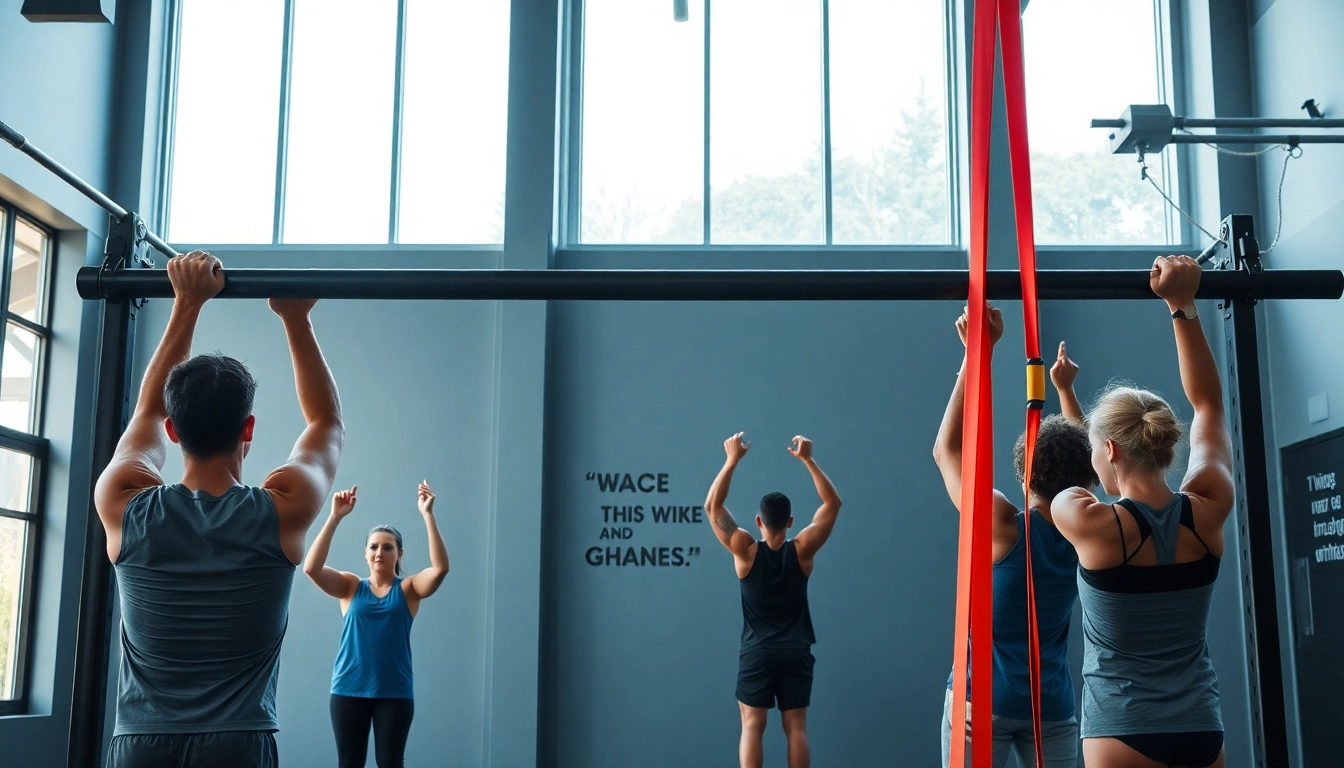
Understanding Assisted Pull-Up Bands
In the realm of strength training, the assisted pull-up band has emerged as an invaluable tool for both beginners and seasoned athletes alike. These bands provide the necessary support to help you perform pull-ups, an exercise that targets numerous upper body muscles, including the back, shoulders, and arms. When exploring options, assisted pull-up bands are highlighted for their variety in resistance levels and benefits that cater to different fitness levels.
What Are Assisted Pull-Up Bands?
Assisted pull-up bands are elastic resistance bands specifically designed to help individuals execute pull-ups with greater ease. These bands can be attached to a pull-up bar, and the user either places their feet or knees into the band, which helps reduce the weight that needs to be lifted. This mechanism allows for a gradual progression in strength gaining without compromising form.
How Do Assisted Pull-Up Bands Enhance Your Workout?
By employing assisted pull-up bands, you can enhance your workout in several ways:
- Improved Technique: Assisted bands allow you to maintain proper form while building strength, crucial for mastering the pull-up.
- Strength Development: They provide scalable support, helping you transition from assisted to unassisted pull-ups more efficiently.
- Versatility: Assisted bands can be used for various exercises, including dips and rows, making them multifunctional.
The Benefits of Using Assisted Pull-Up Bands for Beginners
For beginners, proper assistance in executing pull-ups can significantly boost confidence and motivation. Here are a few key benefits:
- Progressive Overload: Gradually decreasing assistance helps increase strength.
- Reduced Injury Risk: Using bands minimizes the risk of injury by offering support as you build muscle.
- Encourages Regular Practice: Easier pull-ups motivate beginners to practice consistently and improve their skills.
Choosing the Right Assisted Pull-Up Bands
Factors to Consider When Selecting Your Bands
When choosing assisted pull-up bands, consider the following factors to ensure you select the right assistance level for your training:
- Thickness: The thicker the band, the more resistance it provides. It’s essential to pick a band that matches your current strength level.
- Material: Look for durable, high-quality materials to withstand repeated use.
- Length: Ensure that the band is long enough to fit over your pull-up bar without stretching too tightly.
Weight Classifications of Assisted Pull-Up Bands
Assisted pull-up bands typically come in a variety of weight classifications, allowing users to select the level of assistance required:
- Light Resistance: Ideal for beginners, assisting with lighter weight (generally 15-35 lbs).
- Medium Resistance: Suitable for those who can perform some unassisted pull-ups (35-65 lbs).
- Heavy Resistance: Best for more advanced users, offering assistance up to 230 lbs.
Top Features to Look for in Quality Bands
Quality bands should include the following features:
- Durability: Look for bands made from high-quality latex or rubber that can endure consistent tension.
- Color-Coded Resistance Levels: Many brands use color coding to indicate resistance levels, making it easier to choose.
- Comfortable Grip: A band with a comfortable grip can enhance the experience during workouts.
Tips for Using Assisted Pull-Up Bands Effectively
Setting Up Your Pull-Up Bands for Optimal Performance
To get the most out of your assisted pull-up bands, follow these setup tips:
- Attach the band securely to a pull-up bar.
- Ensure the band is fully stretched to prevent snapping.
- Adjust your position until you find a comfortable grip and stance.
Common Mistakes to Avoid When Using Bands
While using assisted pull-up bands, be wary of these common pitfalls:
- Neglecting Form: Maintaining proper form is crucial, as bad habits can lead to injuries.
- Using Bands That Are Too Weak: If the band is too weak, you may not experience the benefits of assistance.
- Skipping Progression: Gradually working towards unassisted pull-ups is vital; don’t rush the process.
Progressing From Assisted to Unassisted Pull-Ups
Transitioning from assisted to unassisted pull-ups involves a structured approach:
- Gradually reduce the assistance by switching to thinner bands.
- Increase the number of unassisted reps as your strength improves.
- Incorporate supplementary strength training exercises to build upper body strength.
Training Techniques with Assisted Pull-Up Bands
Combining Bands with Other Strength Training Methods
To maximize your strength training, consider integrating assisted pull-up bands with other methods:
- Bodyweight Exercises: Combing pull-ups with push-ups and squats can provide a full-body workout.
- Weight Training: Incorporating weights can balance your training program and improve overall strength.
- Mobility Work: Engaging in stretching and mobility work can reduce the risk of injury and improve flexibility.
Creating a Balanced Workout Routine Using Assisted Pull-Up Bands
A balanced workout routine might include:
- Warm-up (5-10 minutes of light cardio).
- 4-5 sets of assisted pull-ups with varying resistance.
- Complementary exercises, such as rows and dips.
- Cool down with stretching to enhance recovery.
Sample Workout Plans Incorporating Assisted Pull-Up Bands
Here’s a sample routine that uses assisted pull-up bands:
- Assisted Pull-Ups: 3 sets of 8-12 reps.
- Push-Ups: 3 sets of 10-15 reps.
- Dumbbell Rows: 3 sets of 10 reps per side.
- Plank: 30 seconds to 1 minute.
Future Trends in Fitness: The Role of Assisted Pull-Up Bands
How Assisted Pull-Up Bands Will Evolve in 2026
As fitness technology continues to advance, we can expect assisted pull-up bands to become even more innovative:
- Adaptive Resistance: Future bands may feature adaptive resistance technology, adjusting tension based on the user's strength level.
- Integrated Technology: Smart bands could track workout metrics and provide feedback through apps.
Technological Innovations in Resistance Bands
The future of resistance bands appears bright with potential innovations such as:
- Smart Materials: Development of materials that provide real-time resistance adjustments.
- Wearable Technology: Bands that integrate with wearables to enhance training effectiveness and track progress.
The Growing Popularity of Assisted Pull-Up Bands in Home Gyms
As home workouts become increasingly popular, assisted pull-up bands are likely to see a surge in usage:
- Space-Efficiency: These bands take up less space compared to traditional gym equipment, making them ideal for home use.
- Affordability: With various price points, assisted pull-up bands offer accessible strength training solutions.
- Flexible Training Options: Users can incorporate bands into diverse workouts, making it easy to stay engaged.